Last updated November 21, 2026
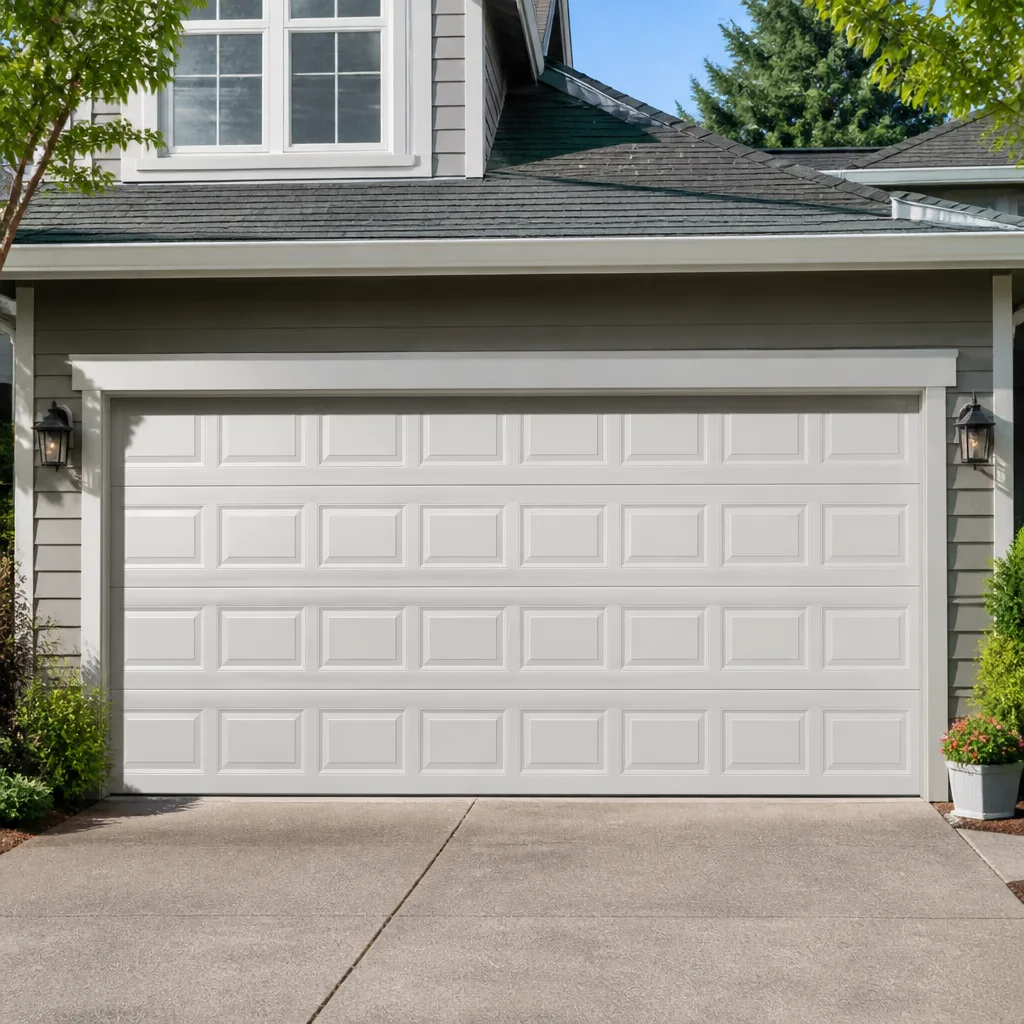 Raised-panel steel
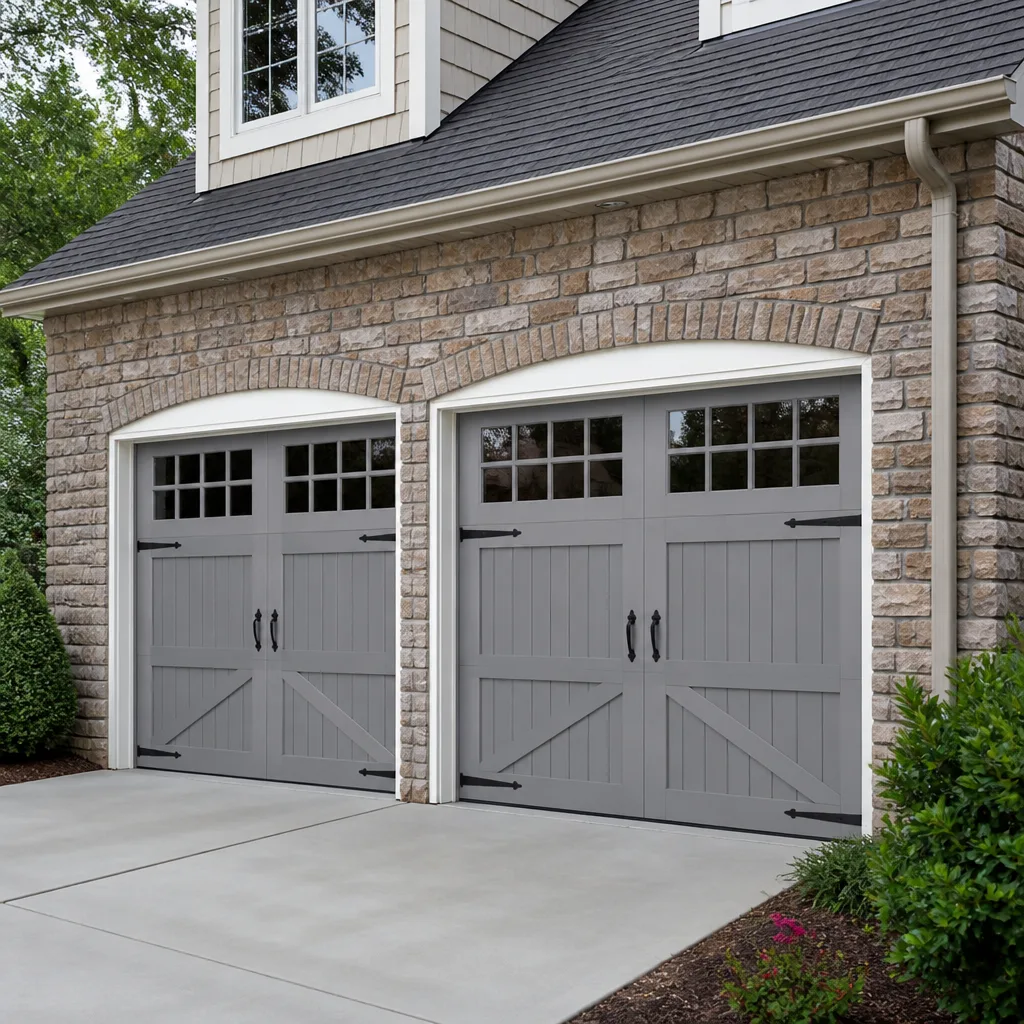 Carriage house
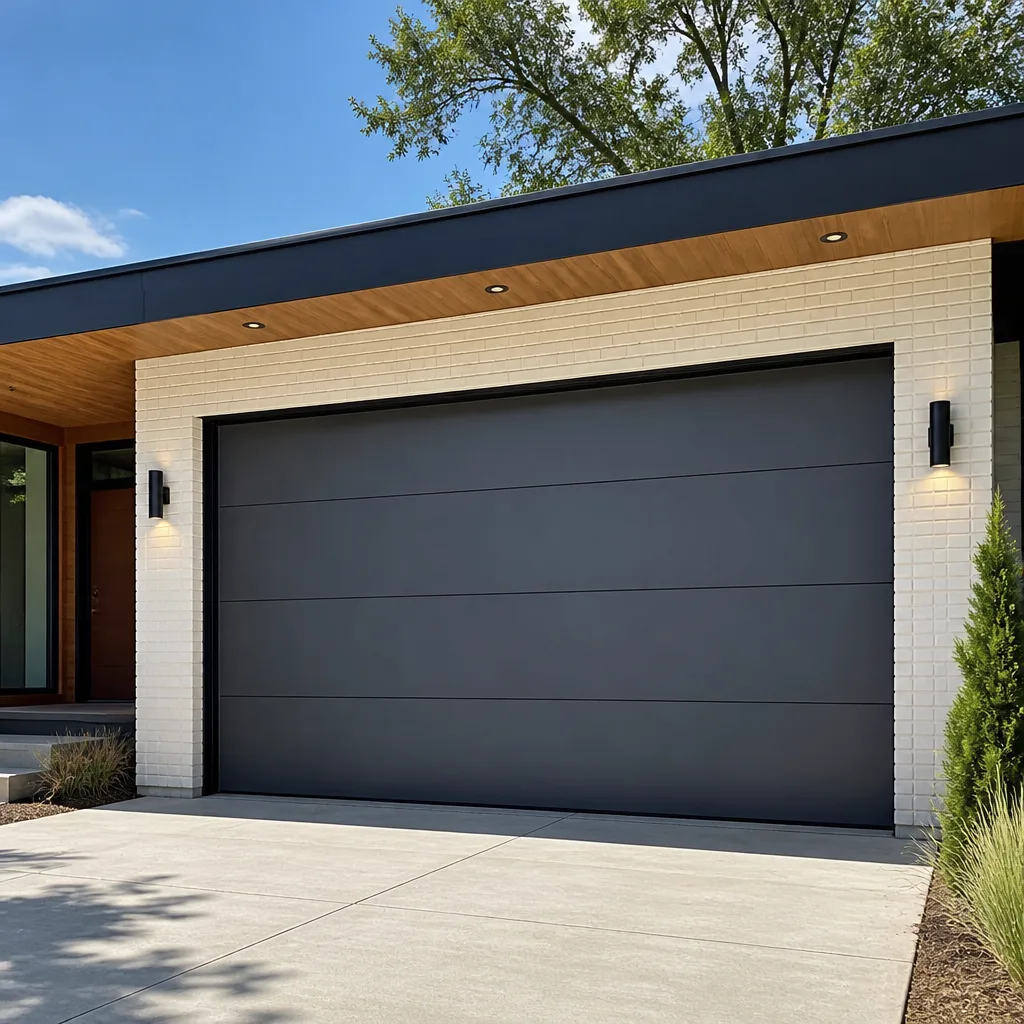 Modern flush
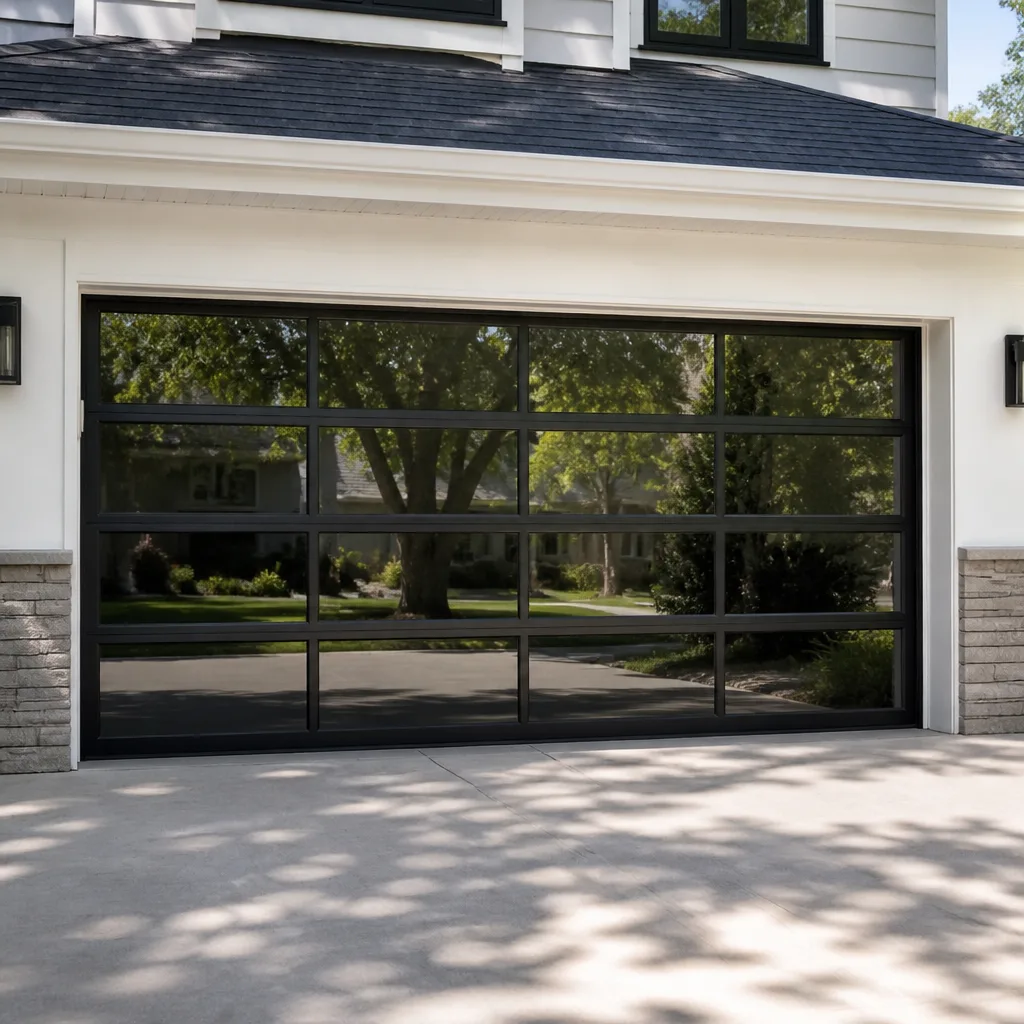 Full-view glass
 LiftMaster openers
 Chamberlain openers
Full 25-point door and opener safety check with every visit - springs, cables, rollers, tracks, and your LiftMaster or Chamberlain opener included
You get a price before we start. It does not change when the pro arrives.
Get your free estimateGarage Door Permits, Codes & Inspections in Sunset Park, NY: What You Need to Know
Most Sunset Park homeowners assume a garage door swap is a tool-and-muscle job with no paperwork attached. Then an electrician mentions the words “dedicated circuit” and the whole thing gets complicated. Here’s the part almost nobody explains upfront: putting a new opener on the 20-amp dedicated circuit most modern openers call for counts as electrical work under the NYC Building Code, and electrical work requires a permit. The line between a simple like-for-like replacement and a regulated alteration is narrower than most contractors admit. In this guide we’ll walk through exactly which jobs trigger a permit in Sunset Park, how the Brooklyn filing process works, and how to keep your paperwork clean.
Quick Answer
A permit is generally required in Sunset Park when a garage door job touches structural framing such as a header change, when it adds or alters an electrical circuit, or when it penetrates a fire-separation wall on an attached garage. A true like-for-like replacement of the same size door in the same opening, reusing the existing track and wiring, usually does not need one. Anything structural or electrical goes through the NYC Department of Buildings, and in Brooklyn that means filing in the borough the property sits in. When in doubt, ask the DOB or your contractor in writing before the work starts.
Styles & brands we work with
- Raised-panel steel
- Carriage house
- Modern flush
- Full-view glass
- LiftMaster openers
- Chamberlain openers
Table of Contents
- When Does a Garage Door Job Need a Permit in NYC?
- What “Like-for-Like Replacement” Really Means Under DOB Rules
- Filing Through the Brooklyn DOB and Community Board 7
- Openers, Dedicated Circuits and Electrical Permits
- Fire Separation Walls in Attached Garages
- Contractor Credentials That Matter for Each Scope
- How Unpermitted Work Hits Insurance and Property Sales
- What to Expect on Inspection Day
When Does a Garage Door Job Need a Permit in NYC?
The short version: a permit is triggered by what the job changes, not by the door itself. Swapping panels or calling us for garage door repair on a failing spring almost never touches a permit. Cutting a wider opening, reframing a header, or running new wire does. We tell Sunset Park homeowners to think of it as three separate scopes: mechanical, structural, and electrical. Each has its own threshold.
Here’s how the thresholds break down for a typical Sunset Park property, whether it’s a brick row house on a side street or a building with a rear-access garage:
- Structural header changes: Enlarging a door opening means cutting the framing above it and installing a properly sized header. That’s structural work and needs a filed plan, often with stamped drawings.
- New electrical circuits: A new dedicated circuit for an opener, or moving an existing one, is electrical work under the NYC Building Code. That means a permit and a licensed electrician.
- Fire-separation wall penetrations: If the new door hardware, track, or wiring passes through a wall separating the garage from living space, the fire rating of that assembly is in play and a permit is generally required.
- Like-for-like replacement: Same size, same opening, existing track and wiring reused. This is the one scope that usually sails through without a filing.
New York City doesn’t publish a garage-door-specific permit rule, which is exactly why so many homeowners get caught off guard. The requirement comes from the underlying building and electrical codes, and the answer depends on the scope. If a contractor tells you a job is too small for a permit, ask them to put that in writing along with the scope they’re describing. A straight answer is a good sign.
What “Like-for-Like Replacement” Really Means Under DOB Rules
“Like-for-like” is the phrase that saves Sunset Park homeowners the most money and causes the most confusion. It means a replacement that matches the existing door and opening in essentially every dimension and does not change the structure, the wiring, or the fire rating of anything around it. Same width, same height, same track layout, same spring type and mounting, existing opener and circuit left alone.
Change any one of those and you’ve crossed out of like-for-like territory. A slightly taller door to fit a lifted vehicle. A different track radius to clear stored items. A smart opener that needs a new dedicated circuit because the old one is shared with a hallway outlet. That last one is the sneaky case, and it comes up constantly with modern garage door opener repair and upgrades around Sunset Park.
We’ll put it plainly: the gray zone starts the moment a job requires a new opening in the wall or new wire in the panel. When we quote a replacement, we compare the new door against the old one line by line and flag anything that would push the job past a straight replacement. If the scope stays clean, you avoid a filing. If it doesn’t, we tell you before you’ve ordered anything, because retrofitting a permit after work is done is always more expensive than filing upfront.
The practical test is simple: if a friend with a tape measure and a photo of your old door could swap it back, you’re in like-for-like. If a structural change or a new circuit is involved, you aren’t. Our technicians have up to 8 years of experience reading that difference, and we’d rather have the conversation early.
Filing Through the Brooklyn DOB and Community Board 7
Permits aren’t filed at a generic city counter. For a Sunset Park property, the application goes to the NYC Department of Buildings’ Brooklyn borough office, because the DOB handles filings by borough. Sunset Park sits inside Brooklyn Community Board 7, which covers the neighborhood along with Windsor Terrace and parts of Park Slope and Kensington. Community Board 7’s land-use role is advisory on zoning and large projects, but it’s worth knowing the boundary in case your job touches a zoning question rather than a simple building permit.
Here’s how a straightforward structural filing usually runs when we help a Sunset Park homeowner through it:
- Scope definition. The contractor and, if needed, a licensed design professional lay out exactly what’s changing: header size, opening dimensions, material specs.
- Drawing preparation. Structural alterations generally need drawings. Jobs involving the removal or alteration of a load-bearing element usually require a licensed professional’s stamped drawings.
- Application filing. The filing goes to the Brooklyn borough office, with the plans, the scope, and the applicable fees.
- Plan review. The DOB reviews the drawings and either approves or returns them with comments. This step is where most timelines live, and it depends on the completeness of the submission.
- Permit issuance and work. Once approved, the permit is issued and work begins. Inspections follow as the job progresses.
Timelines vary with the type of job and the DOB’s current workload, so we never promise a fixed turnaround. What we do promise is that the scope we give you is the scope we file, so nothing gets discovered mid-review. For a fresh install, get a free measure and a written price from our garage door installation service before you commit to a filing strategy, since the design drives the permit type.
Openers, Dedicated Circuits and Electrical Permits
Openers are where the rules catch the most people. Most modern openers call for a dedicated circuit, and a dedicated circuit means new wiring from the panel. Under the NYC Building Code, new or altered electrical work requires a permit and a licensed electrician. A garage door technician can install and calibrate the opener, but running the circuit is electrical scope, full stop. That’s a hard rule, not a technicality.
We see this every week in Sunset Park with new LiftMaster and Chamberlain units going into older garages. Shared circuits are common in older buildings, and a garage door opener on a circuit already carrying lighting or a hallway outlet can trip or overload. The fix is a dedicated line, and the line is the permit. So an installation that looks like a hardware swap quietly becomes a filed electrical job.
What you need before the opener goes on the wall:
- A licensed master electrician for any new circuit, panel work, or re-routing of existing wiring.
- A permit for that electrical scope, filed in the borough where the property sits.
- Clarity from the door technician on the power requirement the opener model actually specifies, so the electrician can plan the circuit.
Safety comes first here. Panels, breakers, and live wiring are not homeowner territory. We’d rather hand the electrical scope to a licensed electrician and focus on the door, the tracks, the springs, and the opener calibration. That division of labor keeps the job legal and keeps everyone out of the panel. Our technicians have up to 8 years of experience with opener hardware across brands, and the electrical line is the one boundary we won’t cross on the house side.
Fire Separation Walls in Attached Garages
If your garage is attached to the house or shares a wall with living space, that wall is a fire-separation assembly. It exists for a reason, and the code treats it as protected. Any penetration through it, whether for new wiring, a new track anchor, or a hardware bracket, changes the rating of that wall. Fire separation penetrations generally require a permit because the assembly’s integrity is what’s being altered. On a detached garage, the picture is different: there’s no shared wall, so the fire-separation trigger doesn’t come into play.
Plenty of Sunset Park homes have rear-access garages attached to or tucked under the main building footprint. If a new door track needs mounting on that shared wall, or a wire needs to run through it, the job now touches a rated assembly. That’s not a reason to stop the project. It’s a reason to file properly and repair the penetration with materials that maintain the rating.
Here’s the common mistake: a contractor drills through the wall, mounts a bracket, and skips the permit because the job “looks like a hardware swap.” A year later a homeowner is dealing with an inspector’s question and an insurance adjuster’s follow-up. We flag fire-separation penetrations at the quote stage in Sunset Park so the paperwork happens before the drill does. If you’re ever unsure whether a wall is rated, ask the DOB or a licensed design professional; it’s a quick answer that prevents a long headache.
Contractor Credentials That Matter for Each Scope
Not every garage door job needs the same paperwork. Matching the right credential to the right scope keeps you compliant and protects the homeowner if anything goes wrong. Here’s how the credentials line up in practice:
- Mechanical and door work: A residential garage door specialist handles the door, tracks, springs, and opener installation. Spring work is a named specialty for a reason; it’s high-risk if done wrong, and the right technician brings the correct tools and parts.
- Electrical work: Any new circuit, panel change, or re-route is a Licensed Master Electrician’s scope, not a general contractor’s. Ask for the license, not just a business card.
- Structural work: Header changes often need a licensed architect or professional engineer to stamp the drawings. A stamped drawing is the document that tells the DOB a qualified professional reviewed the load path.
- General contractor licensing: Where a job pulls structural and electrical scope together, a licensed general contractor coordinates the trades and the filing. Ask who’s pulling the permit and whose name is on the application.
What you should ask every contractor in Sunset Park: who is pulling the permit, what’s the filing scope, and which portion of the job does each credential cover? A straight answer covers all three. If a contractor can’t tell you which scope needs which license, that’s a sign they haven’t filed this type of job before. We work with licensed trades and independent local professionals on the scopes we don’t self-perform, and we’ll tell you plainly which part of a Sunset Park job sits with whom.
How Unpermitted Work Hits Insurance and Property Sales
Unpermitted work is a quiet problem that surfaces at the worst times. When you file a claim, an insurer can ask whether the damaged work was permitted. If the answer is no, the claim can be delayed, disputed, or in some cases reduced. We’re not insurance adjusters and we won’t pretend to interpret your policy, but we’ve seen enough Sunset Park closings to know the pattern. The paperwork follows you well after the contractor has packed up.
The sale disclosure side is just as real. NYC property transactions typically require disclosure of known alterations, and a buyer’s attorney will ask for permits on any structural or electrical work. An unpermitted garage door alteration can hold up a closing, trigger a buyer’s demand for a price reduction, or force a homeowner into a costly retroactive filing. A door that swaps out cleanly under like-for-like doesn’t carry that risk. A header change or a new circuit does, because those are the scopes that leave a record the DOB would expect to see. When a job crosses the line, file the permit and keep the closing clean.
The lesson is simple: the permit isn’t the obstacle, it’s the documentation. Sunset Park homeowners who file the right scope get a clean insurance trail, a sale-ready paper file, and peace of mind that the work matches the record. We’d rather help you file once than untangle a problem years later.
What to Expect on Inspection Day
Inspection day is where the paperwork becomes physical. An inspector checks that the work as built matches the approved scope. For a garage door job, that usually means reviewing the structural framing for a header change, confirming the electrical circuit was installed as filed, and looking at fire-separation penetrations to be sure the assembly was restored properly. The inspector isn’t looking for perfect craftsmanship; they’re looking for compliance with the approved plan.
Here’s what typically gets checked on a Sunset Park job that crossed a threshold:
- Scope match. The installed work lines up with the drawings and the permit application. Mismatches are the most common reason a job fails inspection.
- Structural elements. Headers, framing, and connections are checked for size and material as specified. Load-bearing alterations are the focus.
- Electrical work. Circuit routing, panel connections, and the licensed electrician’s sign-off on the electrical portion.
- Fire separation. Penetrations through the garage-to-house wall are restored with materials that maintain the rating.
- Sign-off. When the work passes, the permit is signed off and the record is closed. Keep that paper; it’s the document a future buyer or insurer will want to see.
If something fails, the fix is usually a correction and a re-inspection. Not a catastrophe. The inspectors we deal with in Brooklyn are practical, and a clean filing makes the visit short. Our technicians have up to 8 years of experience on the door side and will work alongside your electrician and design professional so the built work matches the permit.
Common Mistakes to Avoid
- Assuming a swap is always permit-free. Changing the opening, the track radius, or the spring mounting can push a “replacement” into an alteration. Compare dimensions with your contractor before you order the door.
- Adding a new opener on a shared circuit. A dedicated circuit is electrical work, and electrical work needs a permit. A garage door opener on a shared line is the classic Sunset Park trip hazard and a filing violation.
- Penetrating a fire-separation wall without a plan. A bracket or wire through a shared wall changes the fire rating. On a detached garage the issue doesn’t arise, but attached garages are a different story.
- Hiring a handyman for spring or structural work. Spring failures are dangerous and easy to get wrong, and header changes need a design professional. Match the credential to the scope.
- Letting a contractor file with a vague scope. A sloppy application gets returned with comments and stalls the job. Insist on a written scope that matches the plan you’ll file.
- Skipping the paper trail before a sale. In Brooklyn Community Board 7, buyers’ attorneys routinely ask for permits. An unpermitted alteration can surface at the worst possible moment.
- Calling the city after the work is done. Retroactive filings are harder and costlier. When a job touches structure or wiring, file first.
See the difference
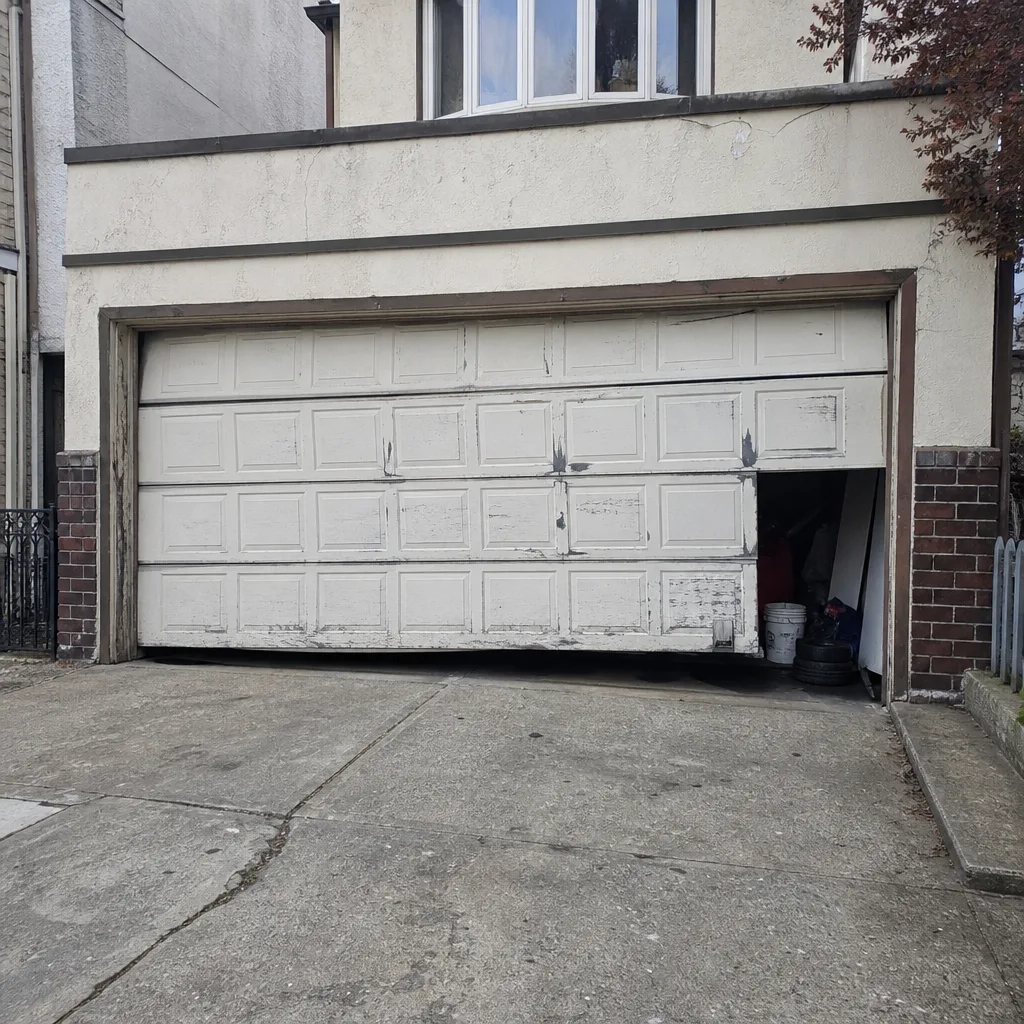 Before
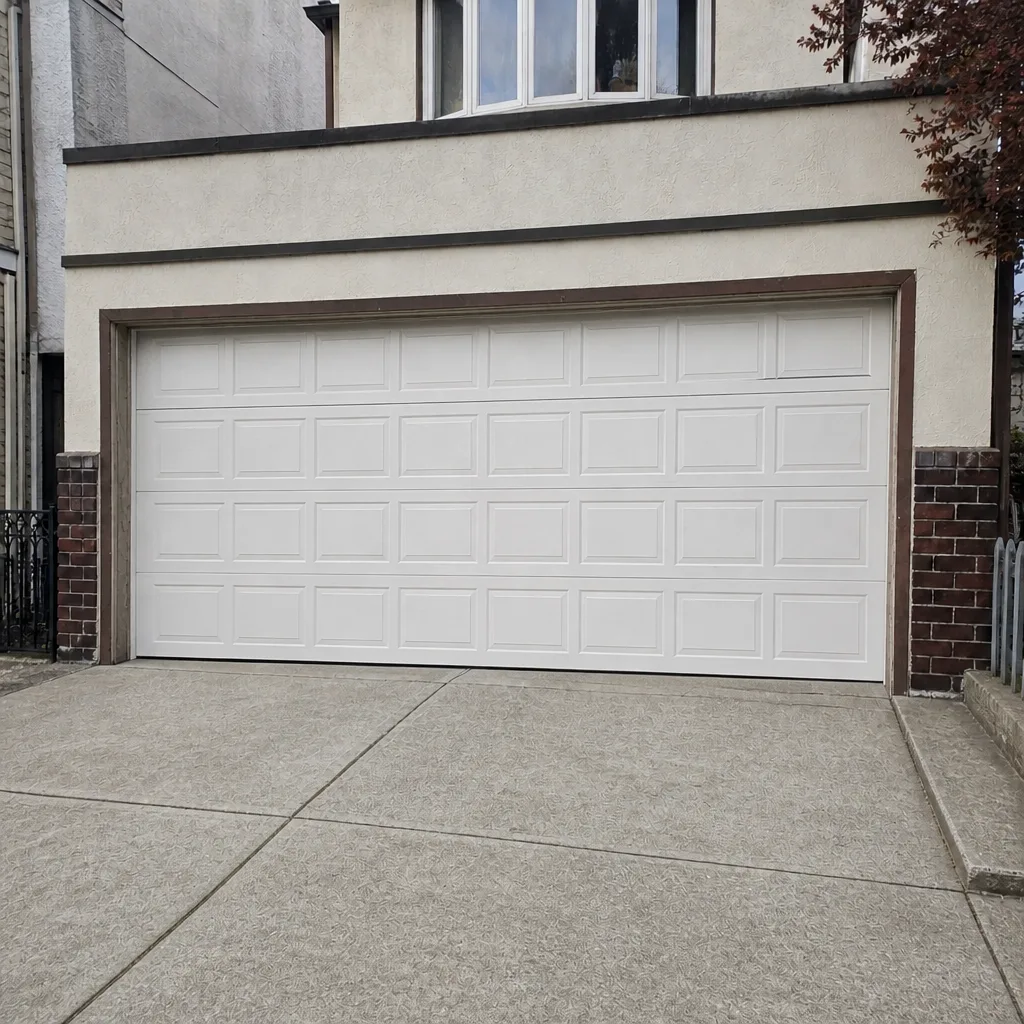 After
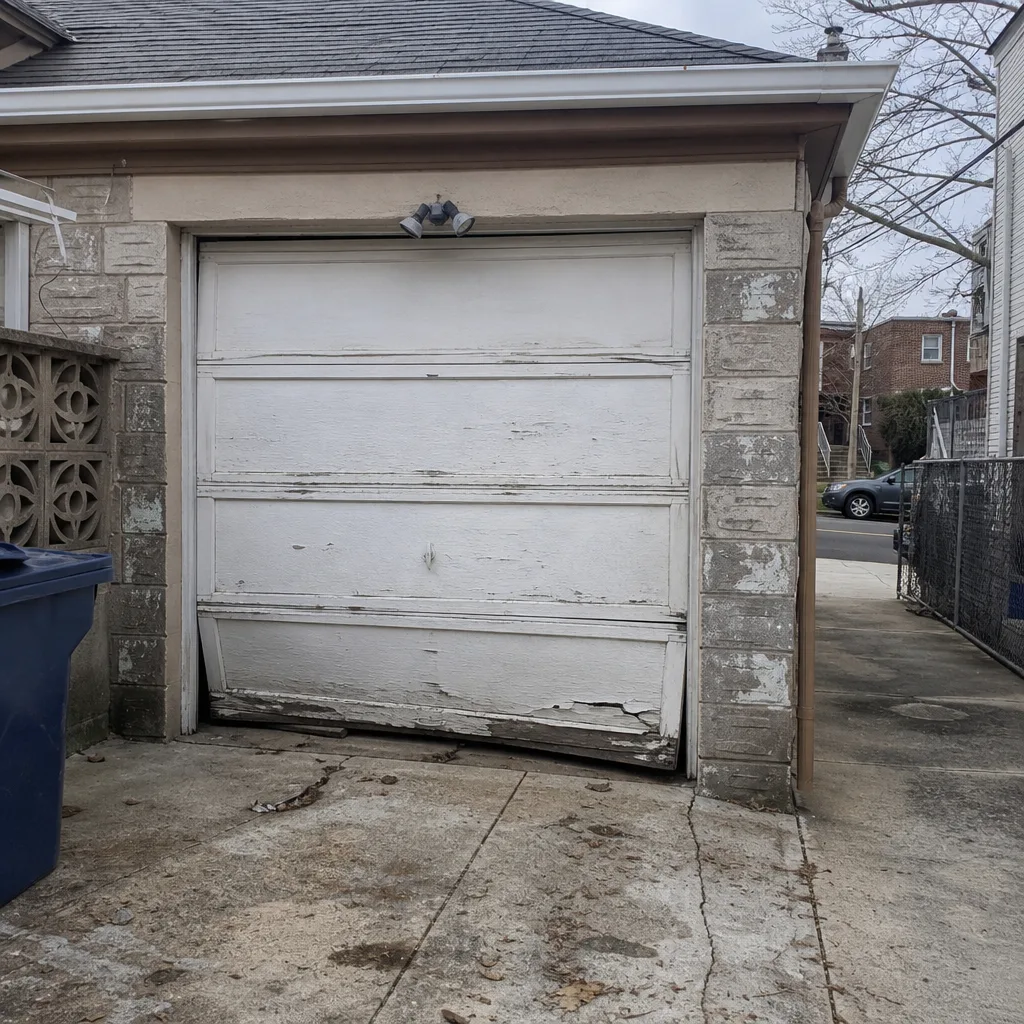 Before
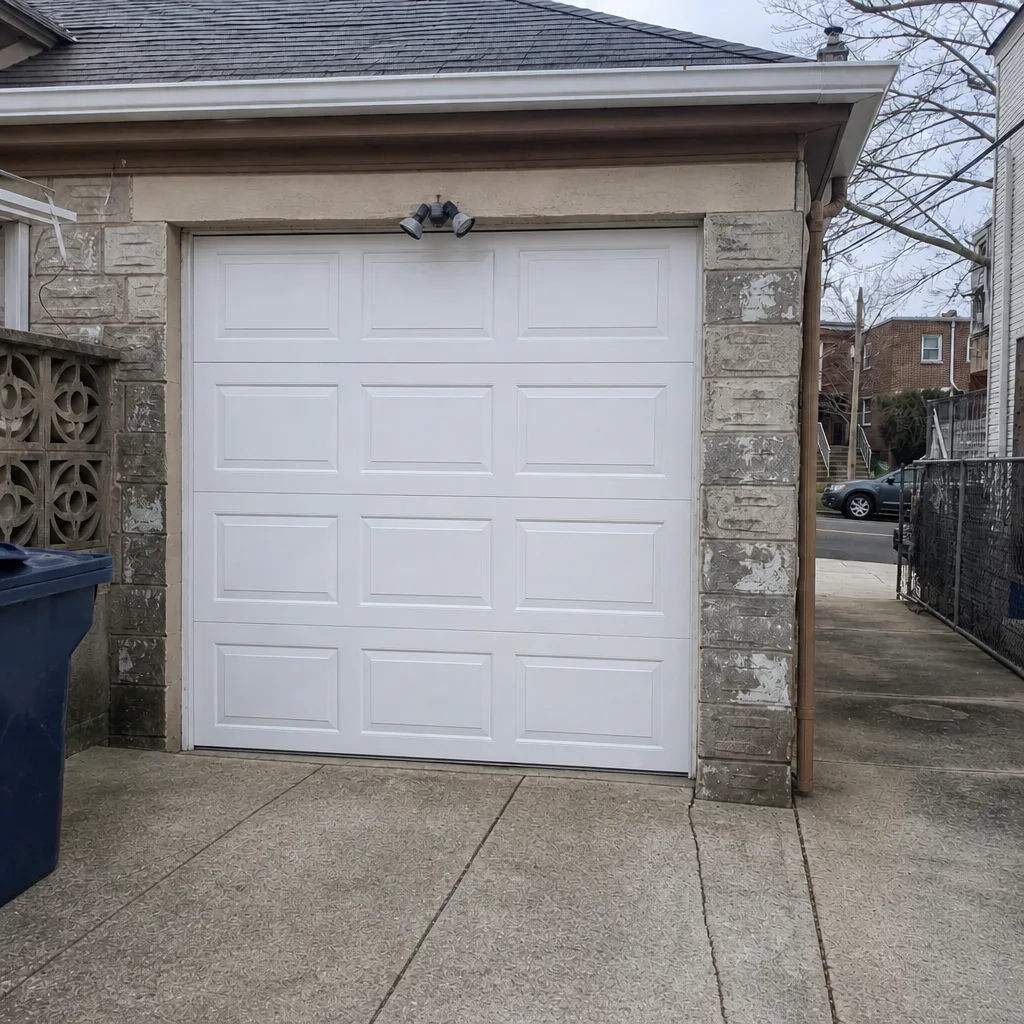 After
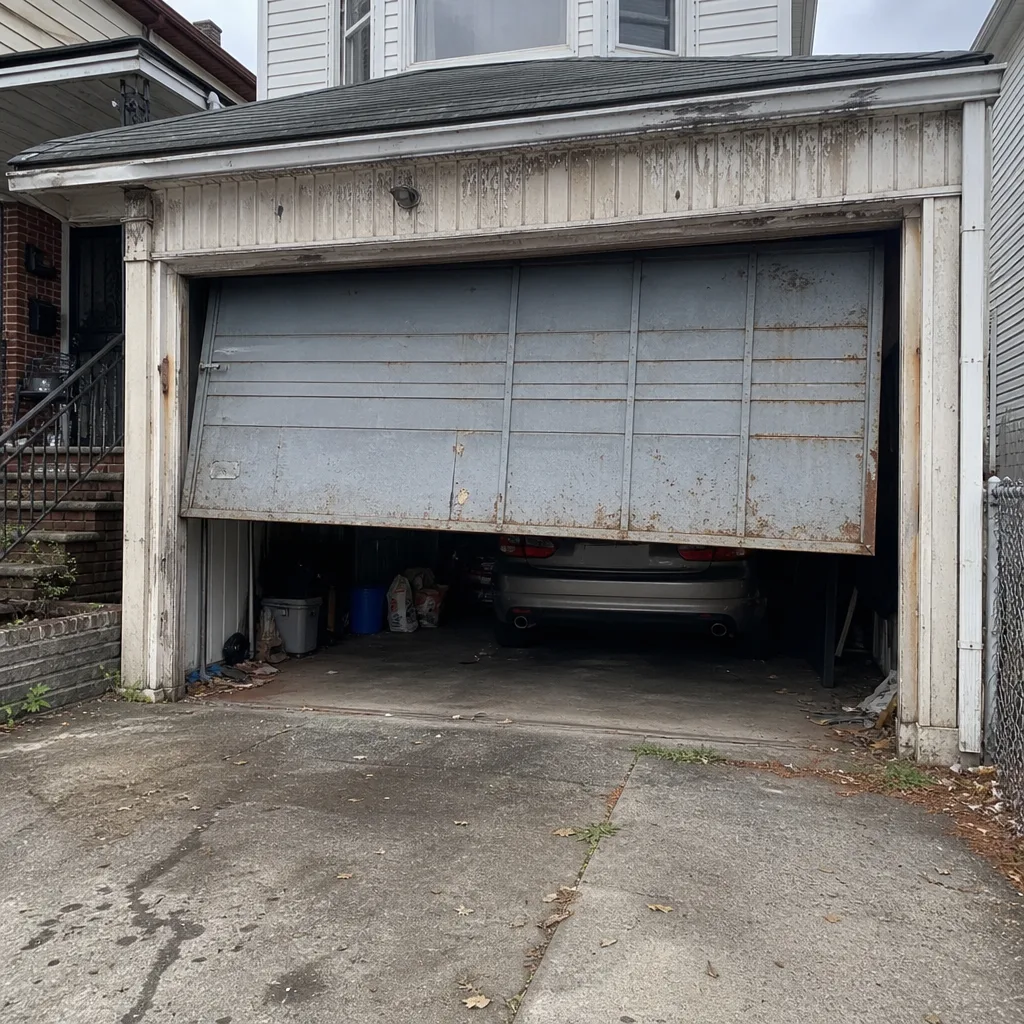 Before
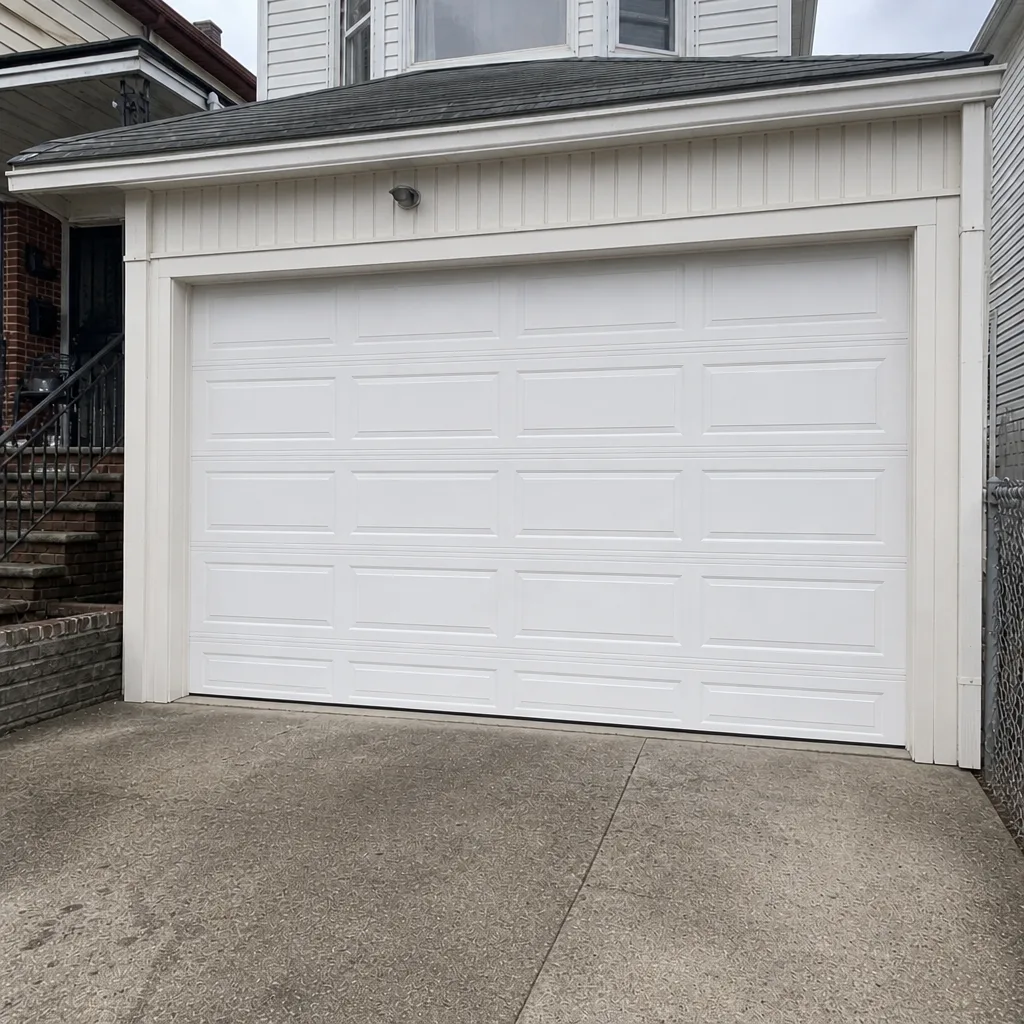 After
When to Call a Professional
Some jobs are straightforward door work, and some need a licensed team behind them. Call a professional when a spring has snapped and you can hear the tension go, when a door won’t close reliably and the gap is a security concern, or when a new opener is on the wall but the circuit hasn’t been sorted. Call before you start a job that involves cutting a new opening, running new wire, or anchoring into a fire-separation wall, because those scopes need a permit and the right credentials. We’ll walk you through the code question and the door question together. Garage Door Repair Sunset Park offers free estimates in Sunset Park; call (855) 709-6141 and we’ll price the job and the filing conversation upfront.
Frequently Asked Questions
Usually no, if it’s a true like-for-like replacement in the same opening with the existing track and wiring. You likely need one if the job changes the framing, adds an electrical circuit for a new opener, or penetrates a fire-separation wall on an attached garage. Ask the NYC Department of Buildings or your contractor in writing before work starts, and call (855) 709-6141 for a free estimate if you want the scope reviewed first.
Yes, in most cases. A new dedicated circuit for the opener is new electrical work under the NYC Building Code, and that requires a permit and a licensed electrician to run the circuit. The door technician installs and calibrates the opener, and the licensed electrician handles the power. Call (855) 709-6141 to get the door side quoted and the electrical scope clarified in writing.
We’re closed on Saturday. Our hours are Sunday through Friday, 7am to 7pm. If a door fails on a Saturday, call us and we’ll book you in for Sunday. (855) 709-6141.
No. The written estimate is the price. We quote and agree on it before any work starts, and the permit cost is discussed as part of that written estimate when a filing is involved. If the on-site scope turns out different from what you described, we stop and re-quote rather than surprise you later. Call (855) 709-6141 for a free estimate.
The local pro is licensed and insured as their state requires, and the independent professionals we connect you with carry the credentials their scope demands. That includes (855) 709-6141 for Sunset Park estimates.
It varies with the job type and the DOB’s current workload, and we won’t give you a fixed number. Structural filings with stamped drawings generally take longer than simple electrical permits, and returned plans add time. Call (855) 709-6141 and we’ll discuss the scope and the filing approach before you order materials.
The Bottom Line
The rule for Sunset Park is simpler than it sounds: the door itself usually doesn’t need a permit, the structure and the wiring around it do. A like-for-like replacement sails through. A new opening, a new circuit, or a penetration of a fire-separation wall crosses the line, and the filing follows. Match the credential to the scope: a licensed electrician for the circuit, a licensed design professional for a header, and a garage door specialist for the door, springs, and opener. File the permit when the job needs one, keep the paper, and your insurance and closing stay clean. We work on your brand, from LiftMaster to Wayne Dalton, and one call covers the door side. Call (855) 709-6141 for a free estimate in Sunset Park. Learn more about Garage Door Repair Sunset Park and the full scope of what we handle.
Written by the team at Garage Door Repair Sunset Park.