Last updated November 21, 2026
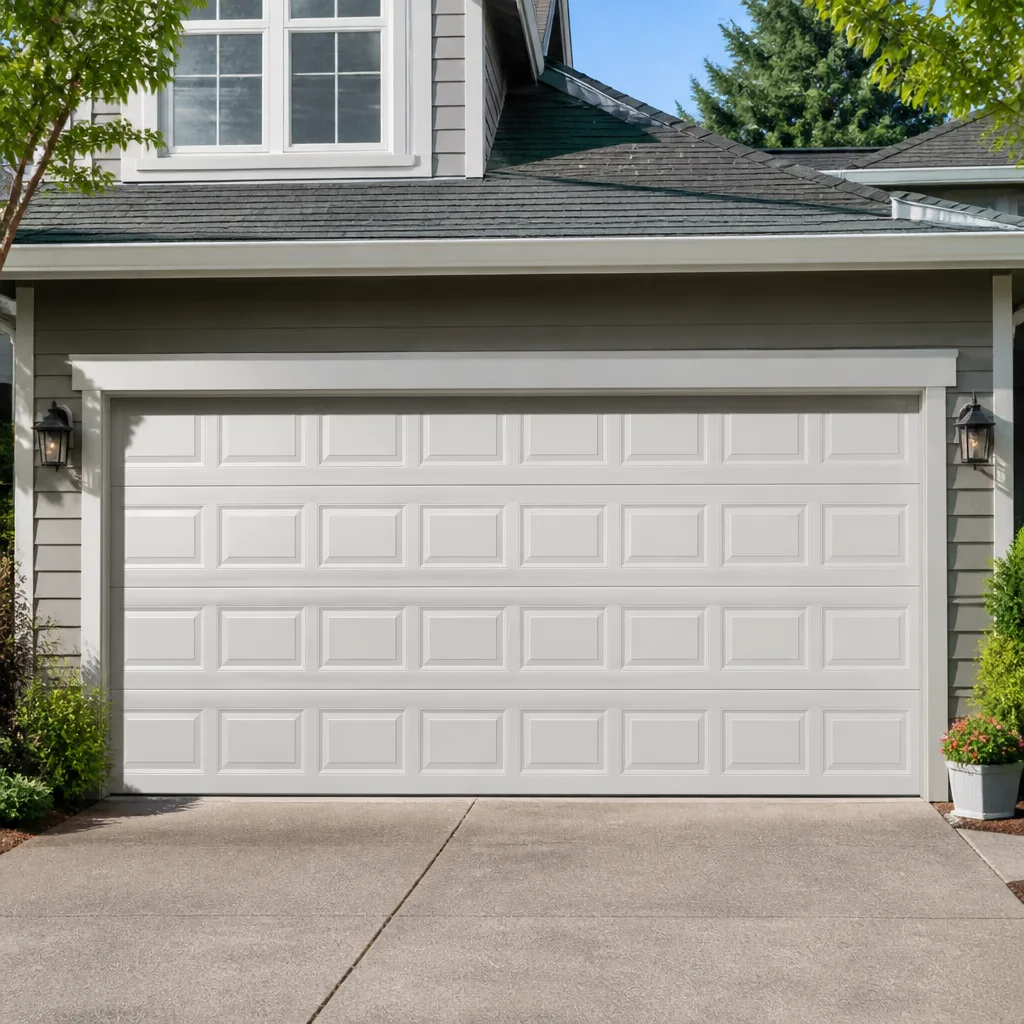 Raised-panel steel
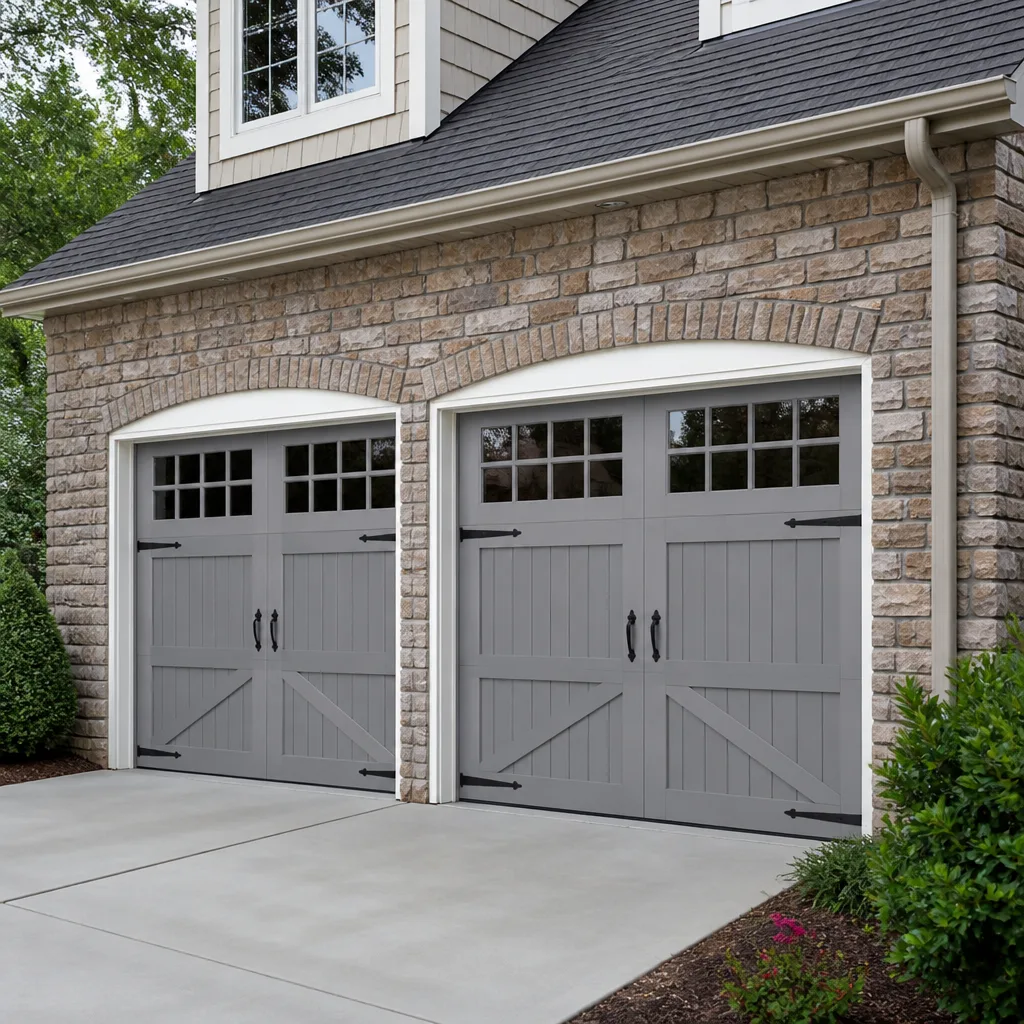 Carriage house
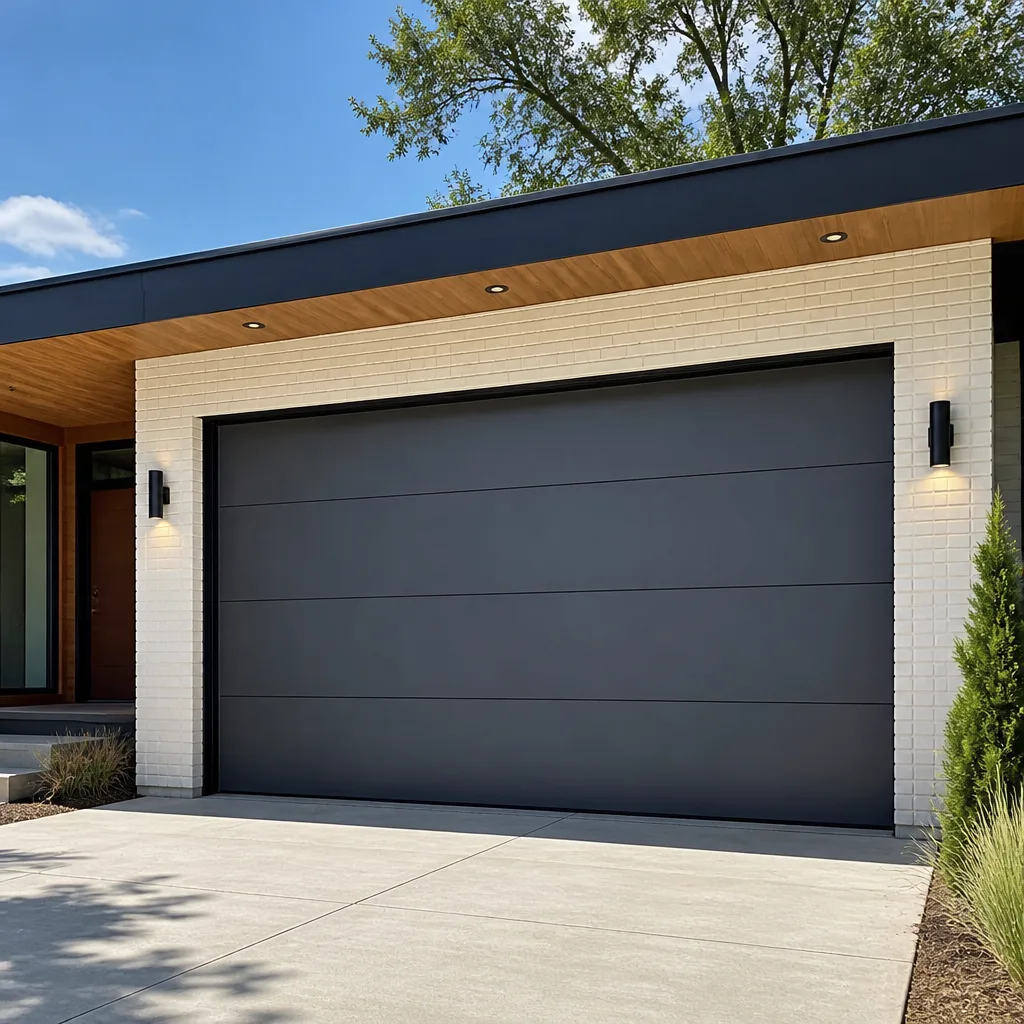 Modern flush
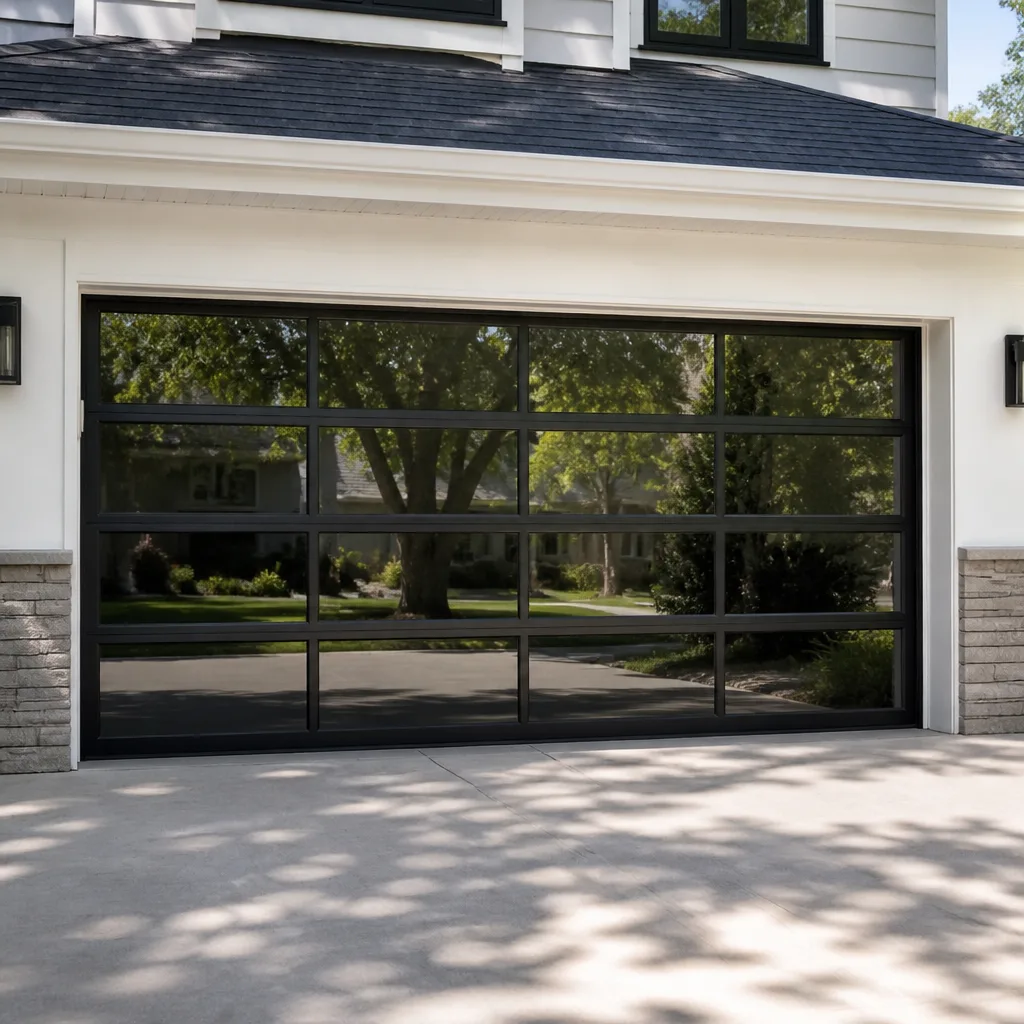 Full-view glass
 LiftMaster openers
 Chamberlain openers
Full 25-point door and opener safety check with every visit - springs, cables, rollers, tracks, and your LiftMaster or Chamberlain opener included
You get a price before we start. It does not change when the pro arrives.
Get your free estimateDIY vs Professional Garage Door: The Sunset Park Homeowner’s Decision Guide
A wound torsion spring holds roughly 100 foot-pounds of torque, and if it lets go while you’re near it, the release is instant – not slow, not telegraphed. That single fact is why this guide doesn’t lump “garage door work” into one bucket marked either “do it yourself” or “call someone.” The truth is more useful: most of what a garage door needs is manageable for a careful Sunset Park homeowner, and a small, specific handful of tasks is genuinely dangerous. What you need is a task-by-task line, drawn in the right place. We’ll draw it, explain the tools, the warranty traps, and the economics, and show you exactly where the risk lives.
Quick Answer
For Sunset Park homeowners, the DIY-versus-professional decision comes down to which system you’re touching, not how handy you are. Weatherstripping, lubrication, sensor alignment, remote reprogramming, and tightening visible hardware are safe to handle yourself. Spring replacement, cable re-threading, and any structural frame work belong to a trained technician – those carry stored energy or load that can cause serious injury in an instant, and no amount of caution substitutes for the right tools and procedure.
Styles & brands we work with
- Raised-panel steel
- Carriage house
- Modern flush
- Full-view glass
- LiftMaster openers
- Chamberlain openers
Table of Contents
- The Task-by-Task Authorization Framework
- What You Can Safely Do Yourself
- What Belongs to a Professional, Every Time
- Why DIY Is Harder in Sunset Park
- The Tools You Actually Need for Safe DIY
- How DIY Mistakes Void Opener Warranties
- When Pro Maintenance Prevents the Bigger Repair
- A Word on the Two Systems That Hurt People
The Task-by-Task Authorization Framework
Here’s the mental model we want you to carry into this. The line between safe and unsafe on a garage door doesn’t fall at “the whole door” – it falls at the two systems holding live load: the springs and the cables. Everything downstream of those is mostly mechanical logic. Everything upstream carries energy that can hurt you.
Think of the door in layers. The bottom layer is the contact points: weatherstripping, rubber seals, hinges, rollers, bolts, the photo-eye sensors, and the remote. These take ordinary hand tools and carry no stored force. The middle layer is the openers and track alignment: moderate, manageable, but part-specific. The top layer is the lifting hardware – torsion or extension springs, the cables that balance the door, and the frame the whole thing hangs from. That layer is professional territory, full stop.
We’ve walked Sunset Park homeowners through this distinction hundreds of times, and it clarifies fast. Most people who call us worried about “doing it themselves” were never at risk in the first place – they were going to grease a roller or reset a sensor. The people who get hurt are the ones who watched a video and decided a spring was “just a coil.” It isn’t. It’s a wound actuator holding the entire weight of the door.
So the framework is simple. If the task involves the springs, the cables, or the mounting frame, it’s a professional job. If it involves seals, lubrication, sensors, remotes, or tightening hardware that’s already intact, it’s yours to handle – and we’ll show you how in the next sections.
What You Can Safely Do Yourself
This list is longer than most homeowners expect, and it covers the maintenance that actually extends the life of a door. None of these tasks involve stored spring energy or a load-bearing cable. All of them can be done with a stepladder, a few hand tools, and an afternoon.
Weatherstripping and bottom seals. A cracked or flattened bottom seal lets water, cold air, and pests into the garage, and it makes the door close harder. Replacing the rubber seal along the bottom edge is a straightforward job – pull the old one, clean the channel, slide in the new. It’s one of the highest-return maintenance items on a Sunset Park door because attached garages here tend to run damp through the fall and spring.
Lubrication. Rollers, hinges, and the torsion bar’s bearing plates need a garage-door-specific lubricant – not household oil, not grease that attracts grit. A light coat twice a year keeps a door quiet and reduces strain on the opener.
Photo-eye sensor alignment. If your door reverses for no obvious reason, the sensors near the floor are usually out of line or dirty. Wipe each lens, check that the two are pointed at each other, and look for anything blocking the beam. The indicator light on each sensor tells you whether it’s seeing the other one.
Remote and keypad reprogramming. A remote that stops working is usually a pairing issue, a dead battery, or a new code needed after a power interruption. Reprogramming is a sequence of button presses in your opener’s manual, and it’s genuinely easy.
Tightening visible hardware and checking balance. Bolts on the hinges and brackets can loosen over time. You can tighten what’s clearly loose with a socket set – carefully, without forcing anything that looks under tension. You can also test the door’s balance by disconnecting the opener and lifting the door halfway: a properly balanced door stays put. If it slams down or drifts, that’s a sign the springs need attention, not that you should adjust them.
All of that is safe DIY. It’s also the maintenance that keeps the door from drifting out of adjustment in the first place.
What Belongs to a Professional, Every Time
The professional-only list is shorter, and that’s the point. These are the tasks where the downside of a mistake isn’t a stripped bolt or a door that runs loud – it’s injury, or a door that comes down when it shouldn’t.
Spring replacement, both torsion and extension. This is the dangerous one. A torsion spring stores torque, an extension spring stores tension, and both are under load every second the door is closed. Releasing that load incorrectly can cause serious injury in a fraction of a second. Our garage door repair work treats spring replacement as its own discipline, with the correct winding bars and the correct procedure – because there’s no safe shortcut, and a general handyman often won’t touch it.
Cable re-threading and replacement. The cables are what translate the spring’s energy into a balanced lift. A cable under tension that slips or snaps is as dangerous as the spring itself. If a cable is frayed, has jumped its drum, or is hanging loose, don’t touch it – call.
Structural frame and track re-mounting. If the door’s mounting frame, the header, or the track brackets are bent, loose from the wall, or out of plumb, that’s structural work. The door’s full weight hangs from those anchors, and re-securing them wrong means the door can shift or fall.
Panel replacement on a door under load. Swapping a dented section sounds simple until you’re working on a door whose springs are holding tension. On a balanced, disconnected door a single lower panel swap is manageable; anything involving the upper sections or the balance of the door belongs to a pro.
If a task is on this list, our advice is the same regardless of how confident you feel: don’t. Call a technician with the right tools and the right training.
Why DIY Is Harder in Sunset Park
Some of this is geography. Sunset Park’s housing stock shapes what “working on your garage” actually looks like, and it’s not the same as working on a detached door in a suburban driveway.
Limited workspace. Many attached garages in Sunset Park rowhouses and older buildings are tight – the door is close to a wall, the clearance above the track is minimal, and there’s no room to swing a ladder or lay out parts. A job that’s a simple reach in a wide two-car garage becomes awkward in a narrow one. Awkward workspace is exactly where DIY mistakes happen.
No parking for equipment. The larger professional jobs – a full spring replacement, a new door, a track rebuild – involve the technician bringing tools, bars, and sometimes a replacement door. Street parking around Sunset Park can be a real constraint, which is why a professional who does this in the neighborhood regularly knows how to plan around it. It’s a practical reason to work with someone local.
Building code liability on electrical work. If your garage’s electrical circuit needs work – a new outlet for a smart opener, rewiring a damaged feed – that’s electrical work. Most cities require a permit and a licensed electrician for it, so ask your city’s building department what applies to your building. Don’t take on wiring yourself, and don’t let a general handyman take it on either.
Shared walls and tight lots. In a rowhouse or attached building, a door that comes out of alignment or a spring that fails at an angle can affect more than your own property. Working around shared structure requires a little more care than a standalone garage would.
None of this means DIY is off the table – the safe-DIY list is still the safe-DIY list. But it’s a fair reason why the professional threshold sits a little lower in a Sunset Park garage than it might elsewhere.
The Tools You Actually Need for Safe DIY
You don’t need a big kit. You need the specific items that match the specific tasks you’re cleared to do. Here’s the honest list, task by task, so you can decide whether you already own what you need before you start.
- Weatherstripping and bottom seal: a putty knife or flat pry bar to lift the old seal, a utility knife, a cloth to clean the channel, and the replacement seal itself (measure the door’s width and the track’s channel style first).
- Lubrication: a garage-door-specific spray lubricant, and that’s it. No grease gun needed, no oil.
- Sensor alignment: a soft cloth for the lenses, and possibly a screwdriver to loosen and re-tighten the sensor bracket. A small level helps to confirm both sensors point at each other.
- Remote and keypad: nothing but the opener’s manual and the ability to follow a button sequence. Fresh batteries for the remote and keypad.
- Tightening hardware: a socket set sized to your hinge and bracket bolts, and a screwdriver for the smaller fasteners. Skip the impact driver – it can over-tighten and strip a mount.
- Balance check: a sturdy stepladder and your own hands. Disconnect the opener’s release, lift the door halfway, and watch whether it stays.
What’s not on the list is the toolkit for spring or cable work – winding bars, the correct cable blocks, the load-rated clamps. Those aren’t homeowner tools, and buying a set to attempt the job once is exactly the wrong trade. Our garage door installation and repair work covers the hardware side so you never need to own it.
How DIY Mistakes Void Opener Warranties
This is the part most Sunset Park homeowners learn too late, and it applies across brands. Opening an opener’s housing, trying to repair the logic board, or installing a unit yourself and miswiring it are the kinds of mistakes manufacturers treat as voiding the warranty. The brands we service – including Genie, Clopay, Amarr, and Wayne Dalton – all have their own conditions, but the pattern is consistent: unauthorized disassembly, improper installation, and modifications to the wiring or the unit’s internals can end your coverage.
Openers are electronics, and they’re tuned to a specific door’s weight and travel. On models like LiftMaster and Chamberlain units, calibration is set during installation – limits, force, and travel are dialed to that exact door. If a homeowner installs the unit themselves and it isn’t calibrated correctly, the opener can strain, the door can reverse incorrectly, and the unit can fail early. The manufacturer sees the symptoms and a warranty claim can be denied as an installation or calibration issue.
Smart-openers add another layer. Modern units from LiftMaster and Chamberlain connect to apps and home networks, and mistakes during setup – miswiring a Wi-Fi module, forcing a firmware update, or connecting the wrong sensor – can fall outside coverage too. On older Craftsman units the problems are different: parts availability is thinner, so a botched DIY repair can leave you with an opener that can’t be fixed as easily.
The takeaway is simple. If your opener is under warranty and something’s wrong with the electronics, call first. Our garage door opener repair work covers all of those brands, and a tech who works on your exact model knows how to fix it without voiding anything.
When Pro Maintenance Prevents the Bigger Repair
Here’s where the DIY-versus-pro decision stops being about safety and becomes about money. The math is counterintuitive: professional maintenance isn’t an added cost on top of a repair, it’s what keeps the repair from growing. Tuned, lubricated, and correctly adjusted systems wear longer.
Consider the door’s lifecycle. A well-maintained torsion spring can last a long time; a neglected one – dry, corroded, or under-tensioned because the balance was never checked – fails sooner and can take adjacent parts with it when it goes. A door that’s been dragging because a roller is seized puts strain on the opener’s motor, shortening its life. A door that closes unevenly because a track is out of line wears the weatherstripping, which lets in water, which corrodes the hardware. Each small ignored issue feeds the next.
This is exactly the pattern we see in Sunset Park doors. Attached garages get damp in the fall and spring, hardware corrodes a little faster, and a small amount of routine attention does real work. Two lubrication passes a year, a balance check, a visual inspection of the springs and cables – that’s the maintenance that keeps the bigger repair from happening.
The other side of the math is that the tasks you can safely do are also the cheap ones. A bottom seal costs little and takes an afternoon. Professional spring replacement, a new opener, or a full door install is a much bigger job – the kind that happens when a small issue has been ignored. Getting the small stuff right is how you avoid funding the big stuff.
We offer free estimates in Sunset Park, so there’s no cost to finding out where your door stands. If we look and everything’s fine, that’s the answer – we’ll tell you. Our technicians have up to 8 years of experience, and a quick inspection is often the cheapest maintenance on the calendar.
A Word on the Two Systems That Hurt People
We want to be direct about this because the stakes are high. Springs and cables are the two systems on a garage door that can injure you seriously, and they’re the only two. Take the warning seriously and everything else in this guide becomes a simple maintenance routine. Ignore it and the risk isn’t theoretical.
A torsion spring is wound to hold the door’s weight in balance. The winding process uses bars that hold the spring under tension while it’s adjusted. If a bar slips or the spring is released without the door being properly secured, the spring can rotate violently. There’s no safe way to do that with household tools, and there’s no partial version of the job. The same applies to cables – a cable that slips its drum under load can whip, and a cable that breaks under tension is not something to stand near.
If you suspect a spring has broken – a loud bang from the garage, the door suddenly too heavy to lift by hand, a visible gap in the spring coil – don’t try to open or close the door with the opener. Leave it where it is and call. A trained technician will secure the door, release the remaining tension safely, and replace the spring with the correct part. This is why spring repair is one of our named specialties rather than something we hand off; it’s a job that has to be done right.
That’s the safety floor. On the rest of the door, you’re free to be a careful homeowner, and we’d rather you were. Just don’t cross that line.
Common Mistakes to Avoid
These are the ones we see most often in Sunset Park, and each has a straightforward fix.
- Buying winding bars and attempting a spring replacement alone. A torsion spring is under 100 foot-pounds of torque when wound, and releasing that incorrectly can cause serious injury instantly. No video replaces the training and the correct tools – leave spring work to a technician.
- Using WD-40 or household grease on the rollers and hinges. Those products attract grit and dry out, and they make rollers seize faster. Use a garage-door-specific lubricant, and apply it lightly twice a year.
- Forcing a jammed door open or closed with the opener. If the door won’t move, a spring or cable has likely failed, and running the opener strains the motor and can bend the door. Stop, disconnect the opener if the door is on the floor, and call.
- Replacing a whole opener when only the remote needs pairing. A remote that stops responding is nearly always a battery, a pairing issue, or a power interruption – not a dead opener. Reprogram first, and call before you replace anything.
- Ignoring a door that closes unevenly. In a Sunset Park attached garage, an uneven close wears the bottom seal and lets damp in, which corrodes the hardware faster. Check the balance and the sensors before assuming it’s the opener.
- Doing garage electrical work without a permit or a licensed electrician. Most cities require a permit for this, so ask your city’s building department before touching the wiring. It’s also the one job where a DIY mistake can leave you with a genuine code problem.
- Installing a new opener yourself to save a fee. Modern Genie, LiftMaster, and Chamberlain units need calibration to the specific door, and a self-installed unit that isn’t calibrated right can void the warranty and fail early. Have it installed and set up correctly.
See the difference
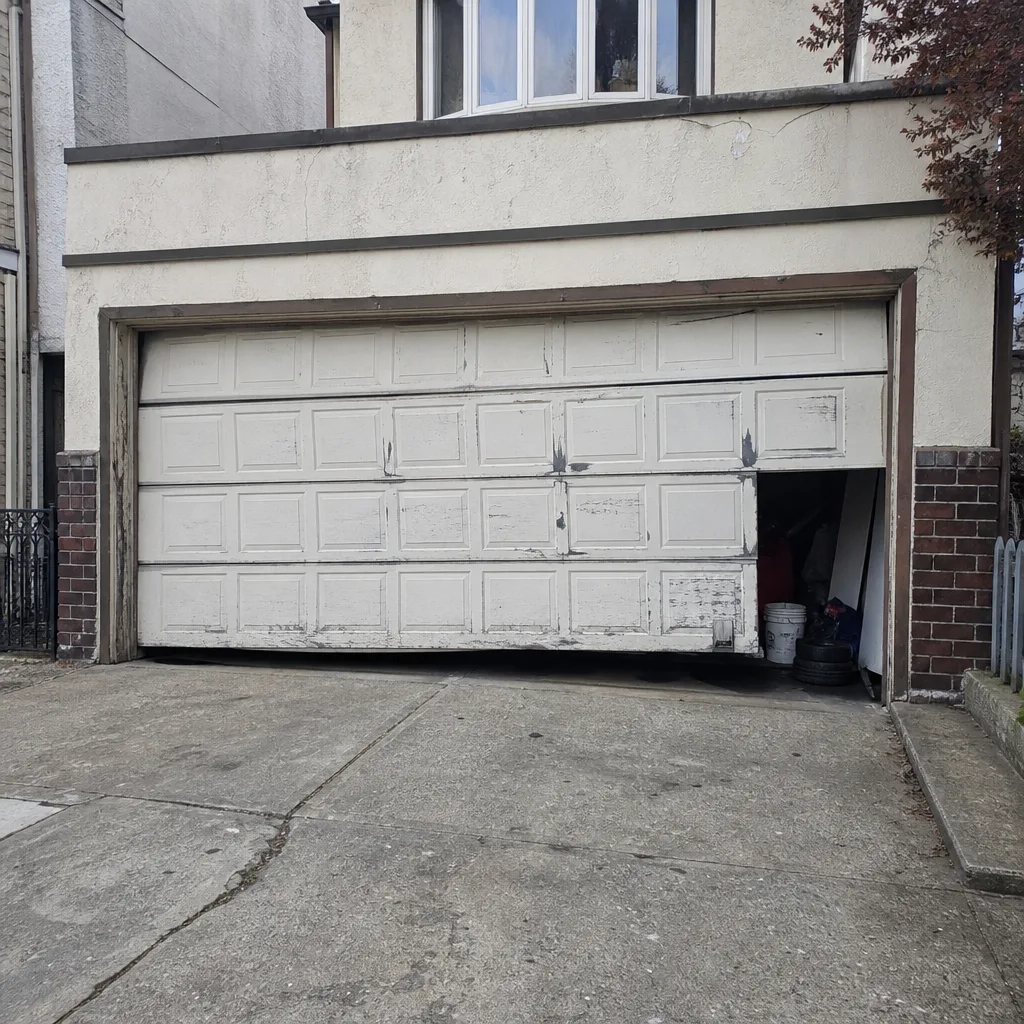 Before
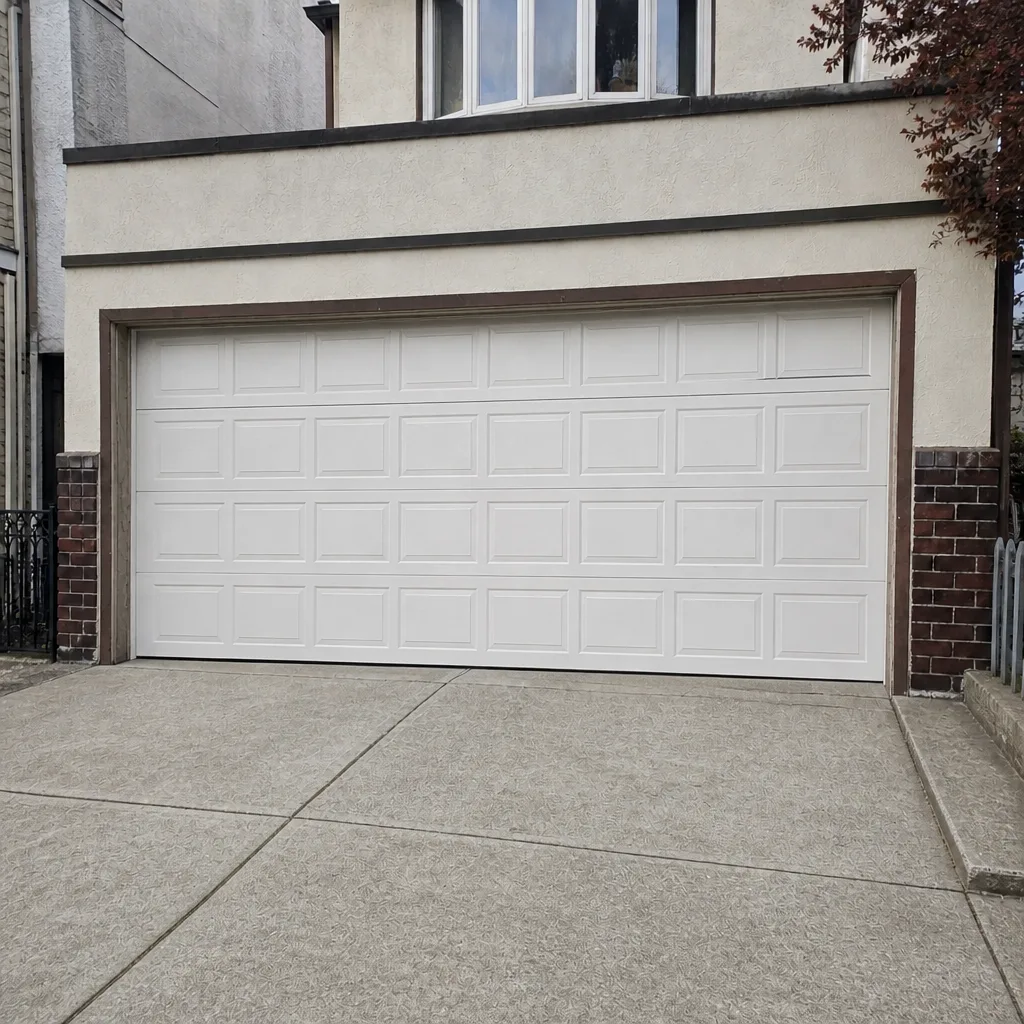 After
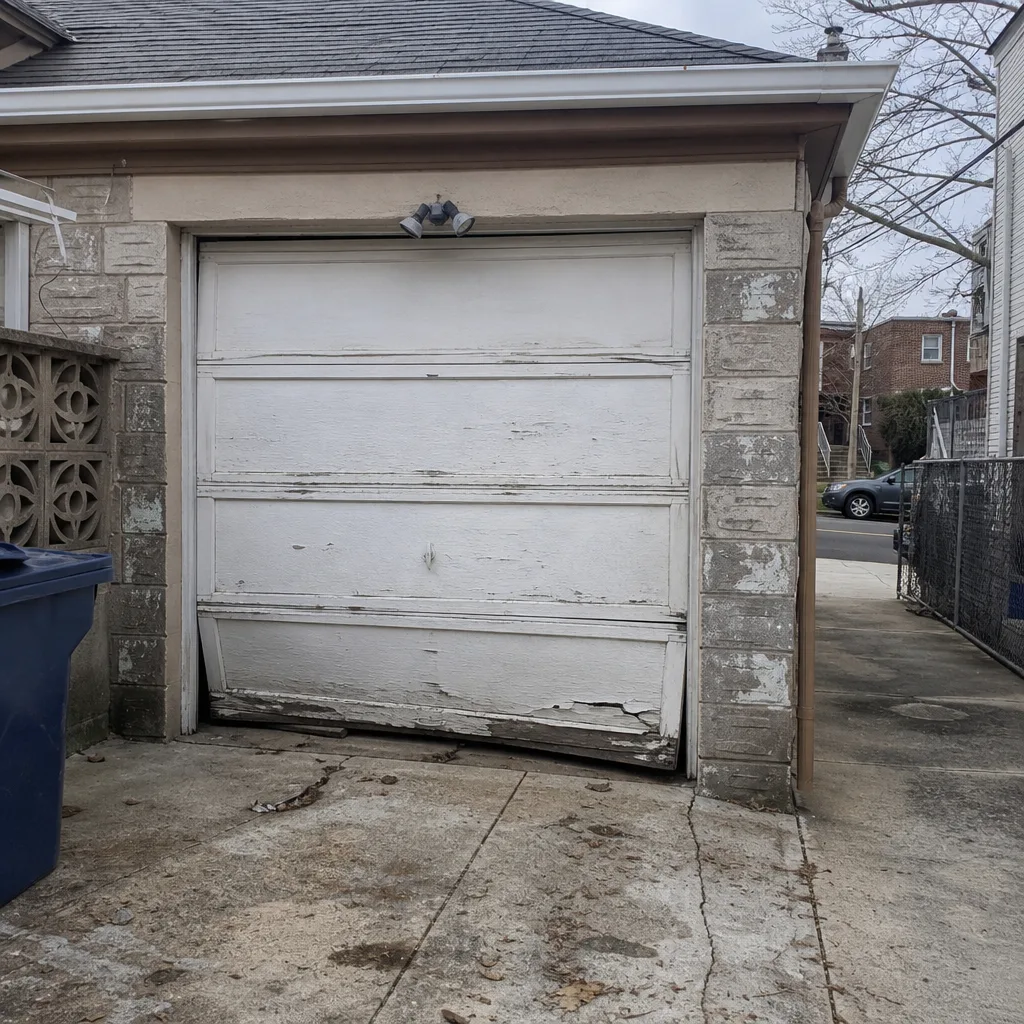 Before
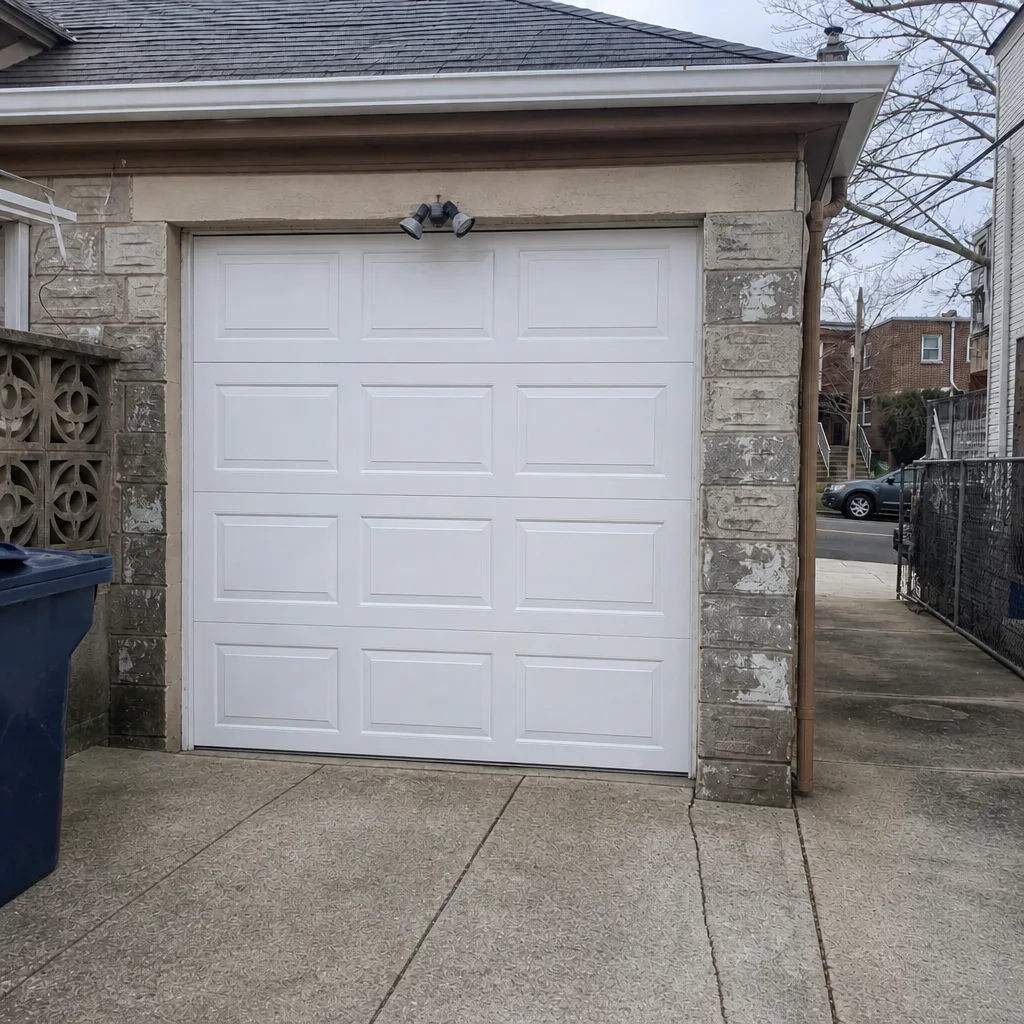 After
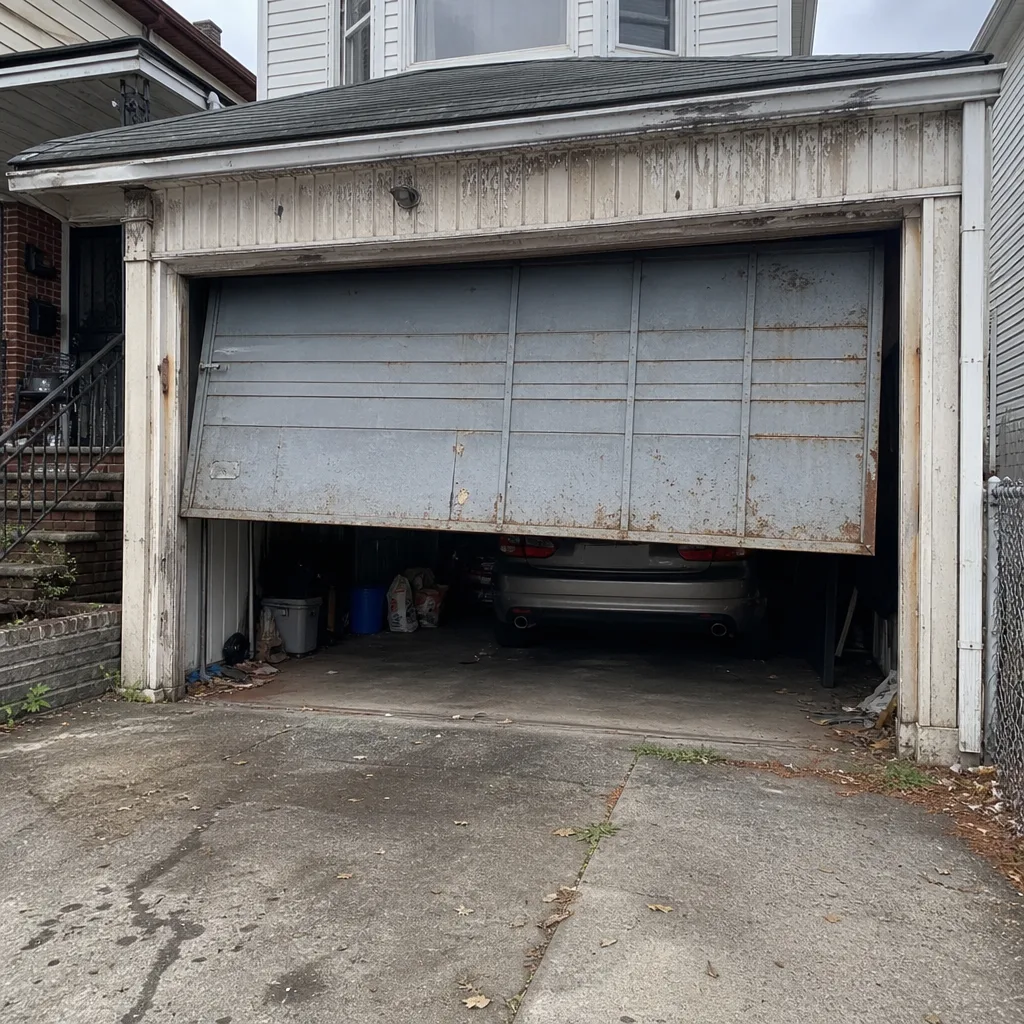 Before
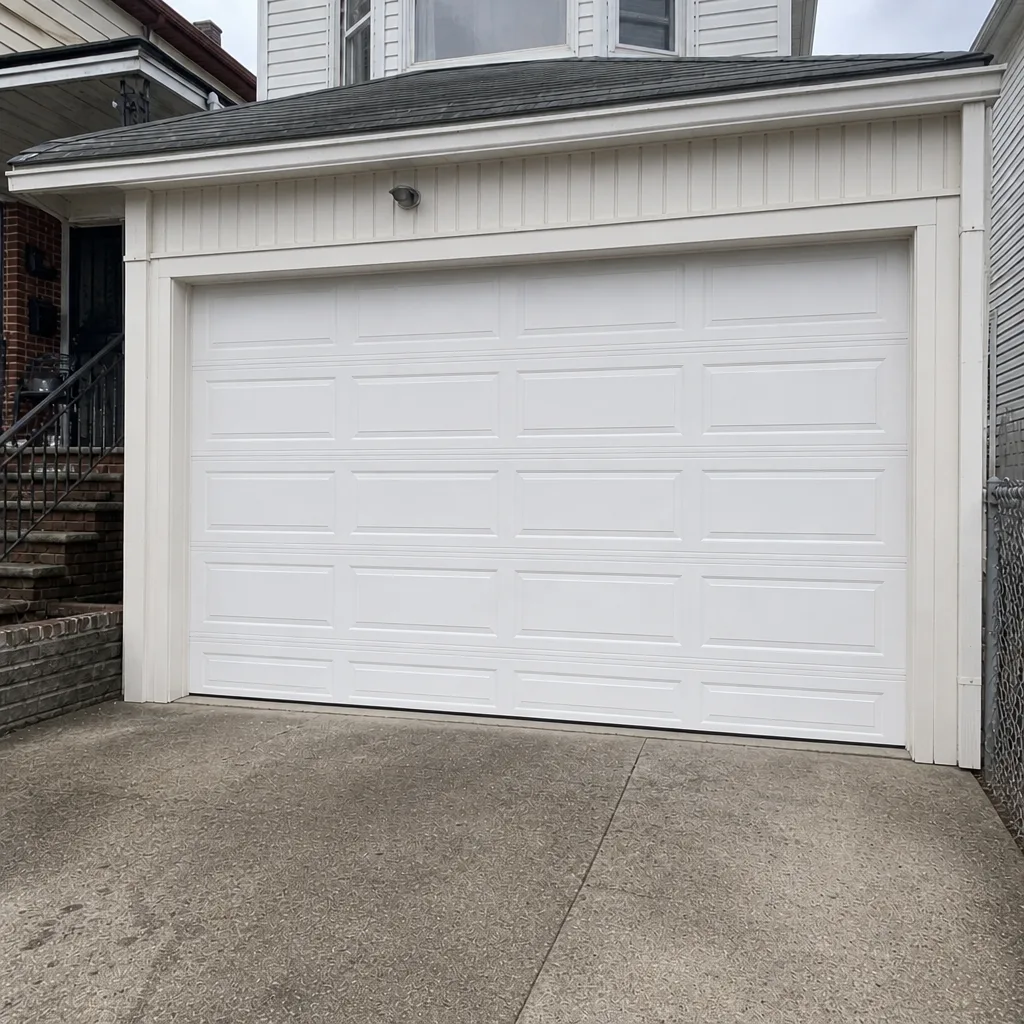 After
When to Call a Professional
Some situations don’t need a decision framework – they need a call. If the door won’t open or close, if you’ve heard a loud snap from the garage, if a cable is hanging loose or frayed, or if the door is visibly crooked or hangs off its track, stop and call. Those are the scenarios where the safe-DIY tasks don’t apply and the spring or cable system is suspect. The same goes for a door that’s suddenly too heavy to lift by hand, or one that reverses for no clear reason after you’ve checked the sensors. Our team handles spring repair, cable work, and emergency service, and we work on all the major brands so the right part is available. Garage Door Repair Sunset Park offers free estimates in Sunset Park – call (855) 709-6141 and we’ll tell you exactly what’s wrong and what it takes to fix it.
Frequently Asked Questions
No – spring replacement is not a safe DIY job. A torsion spring stores roughly 100 foot-pounds of torque when wound, and releasing that energy incorrectly can cause serious injury in an instant. There’s no partial or safe version of the job with household tools, so leave it to a trained technician. Call (855) 709-6141 for a free estimate on spring repair.
Weatherstripping and bottom seals, lubrication, photo-eye sensor alignment, remote and keypad reprogramming, tightening loose bolts on hinges and brackets, and checking the door’s balance are all safe for a careful homeowner. None of them involves stored spring energy or a load-bearing cable. If you’re unsure whether a task crosses that line, call and ask before you start.
Attached garages in Sunset Park’s rowhouses and older buildings often have tight clearances, limited workspace, and street parking that makes it hard to bring in tools or a replacement door. Garage electrical work also requires a permit and a licensed electrician in most cases, so ask your city’s building department what applies. Those local constraints are a fair reason to let a professional handle the bigger jobs.
It can. Opening the housing, attempting board repair, or self-installing and miswiring a unit are the kinds of mistakes manufacturers treat as voiding the warranty. On Genie, LiftMaster, and Chamberlain models, a unit that isn’t calibrated to the specific door can fail early and be denied as an installation issue. Call first if your opener is under warranty and something’s wrong with the electronics.
We service eight of the most widely installed residential brands, including Genie, Clopay, Amarr, and Wayne Dalton, plus LiftMaster, Chamberlain, Craftsman, and Raynor. That covers both modern smart-openers and older systems. Call (855) 709-6141 and tell us what’s installed – we’ll confirm we can handle it.
The estimate is free. In Sunset Park, we offer an on-site estimate so you know what’s actually wrong and what the fix costs before any work starts – the written estimate sets the price. Call (855) 709-6141 to book one, and we’ll tell you honestly whether it’s a scheduled task or something urgent.
The Bottom Line
The DIY-versus-professional question resolves cleanly when you stop thinking about skill and start thinking about stored energy. Springs and cables carry load that can hurt you in an instant – those belong to a technician. Weatherstripping, lubrication, sensor alignment, remotes, and tightening intact hardware are yours to do safely, and doing them keeps the bigger repair from happening. In Sunset Park, tight attached garages, limited workspace, and electrical permit rules push the professional threshold a little lower, but the line itself is the same. Do the safe maintenance, respect the two dangerous systems, and call when the door tells you something’s wrong.
If you’re not sure which side of the line your issue falls on, call Garage Door Repair Sunset Park at (855) 709-6141 for a free estimate. We’ll tell you what’s wrong and what it takes to fix it – and if it’s something you can safely handle yourself, we’ll say so.
Written by the team at Garage Door Repair Sunset Park.