Last updated November 21, 2026
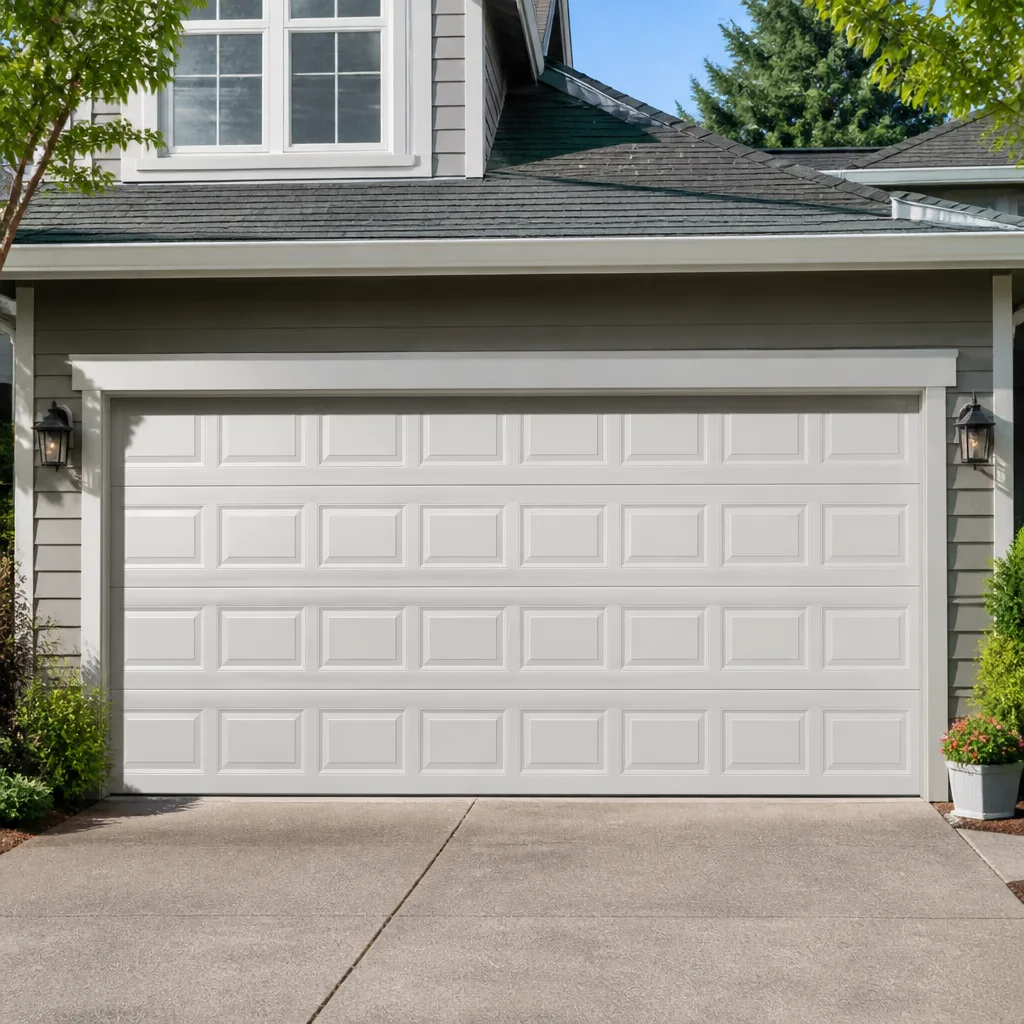 Raised-panel steel
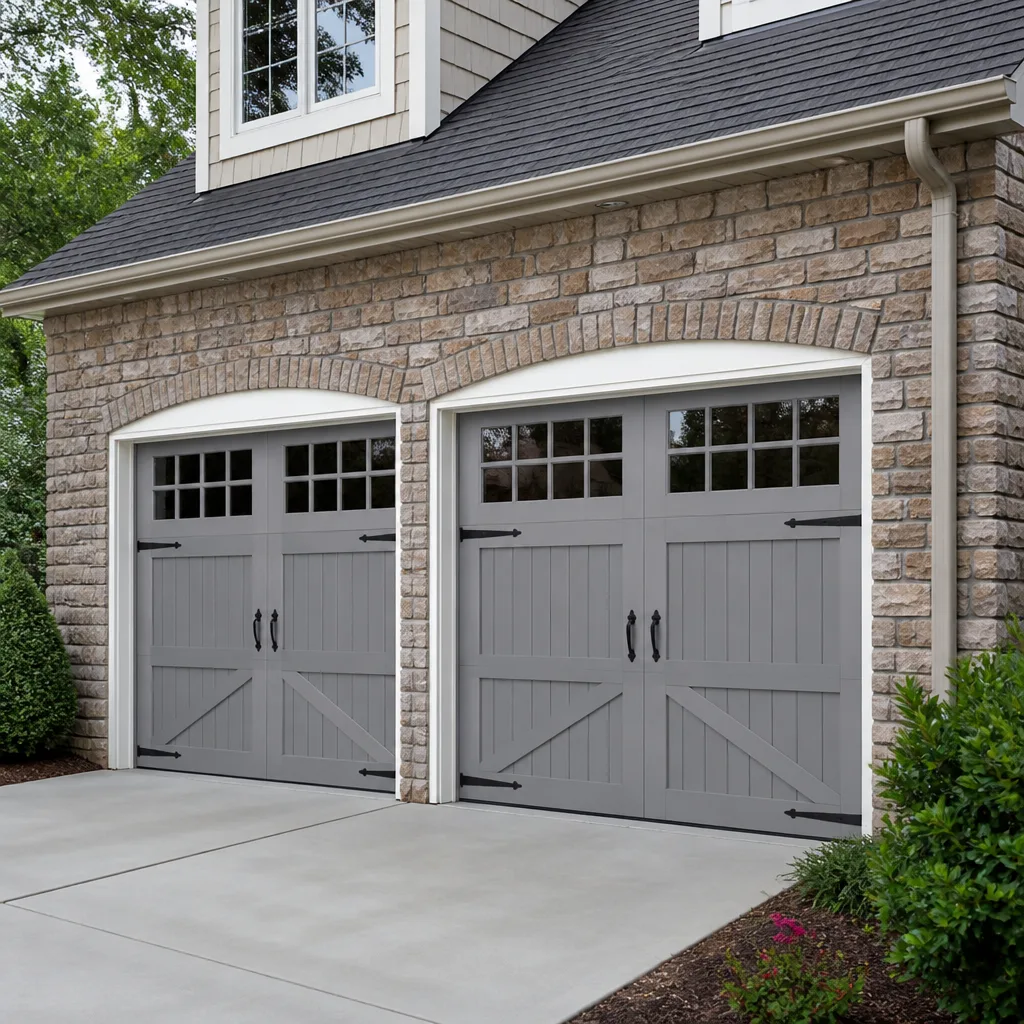 Carriage house
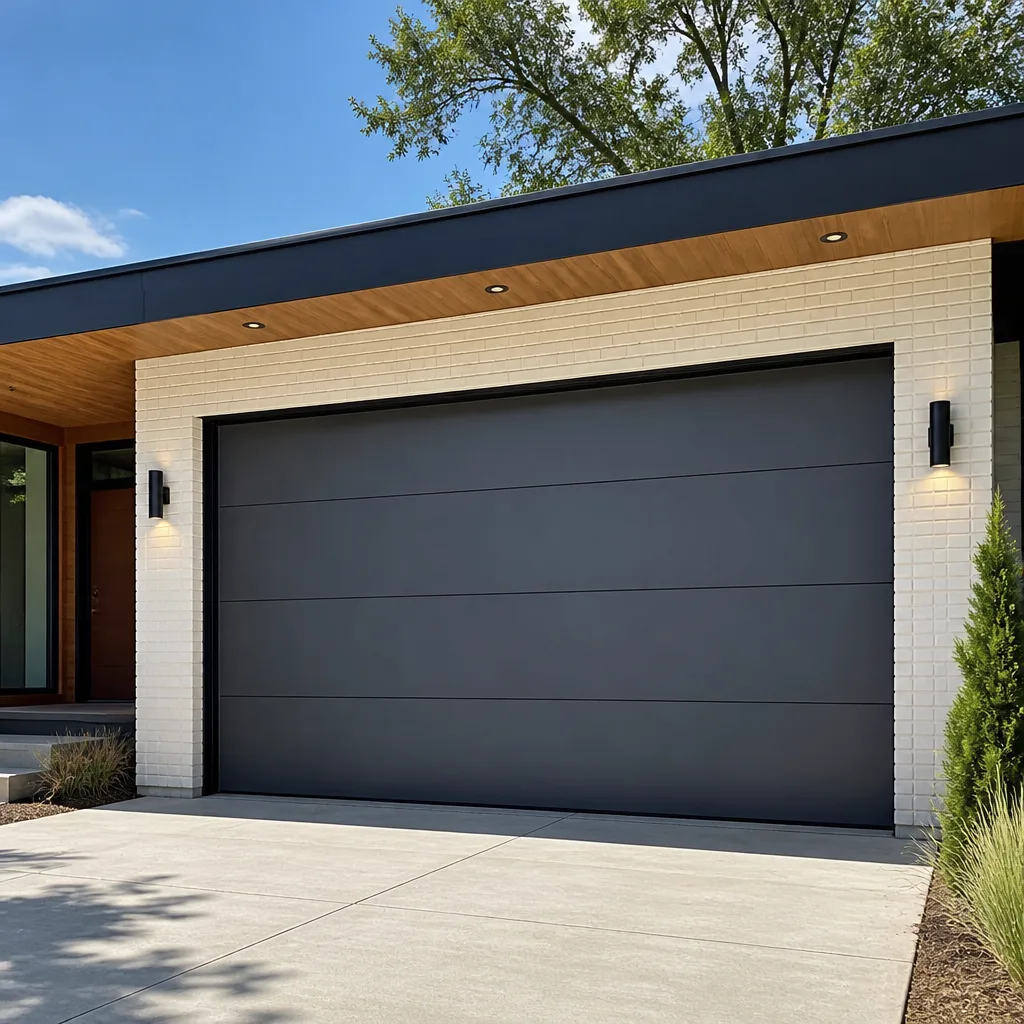 Modern flush
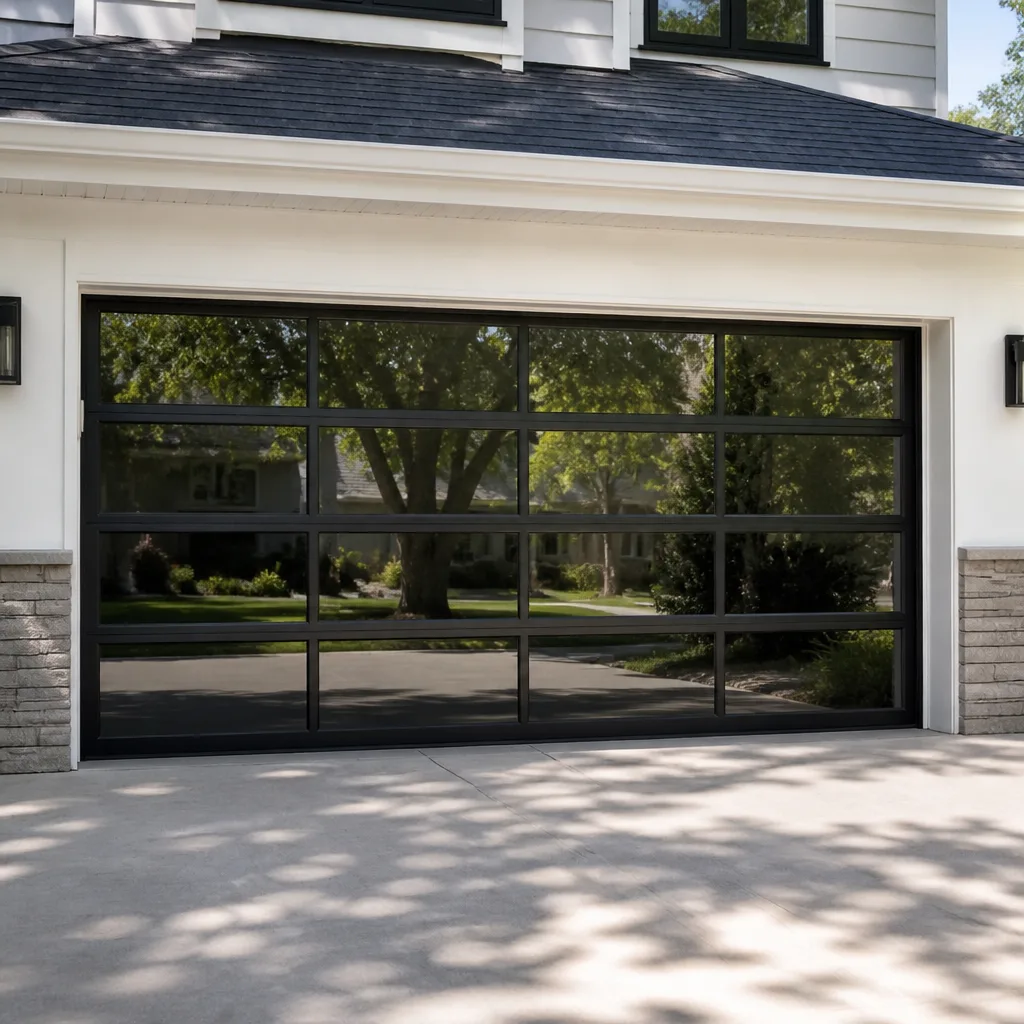 Full-view glass
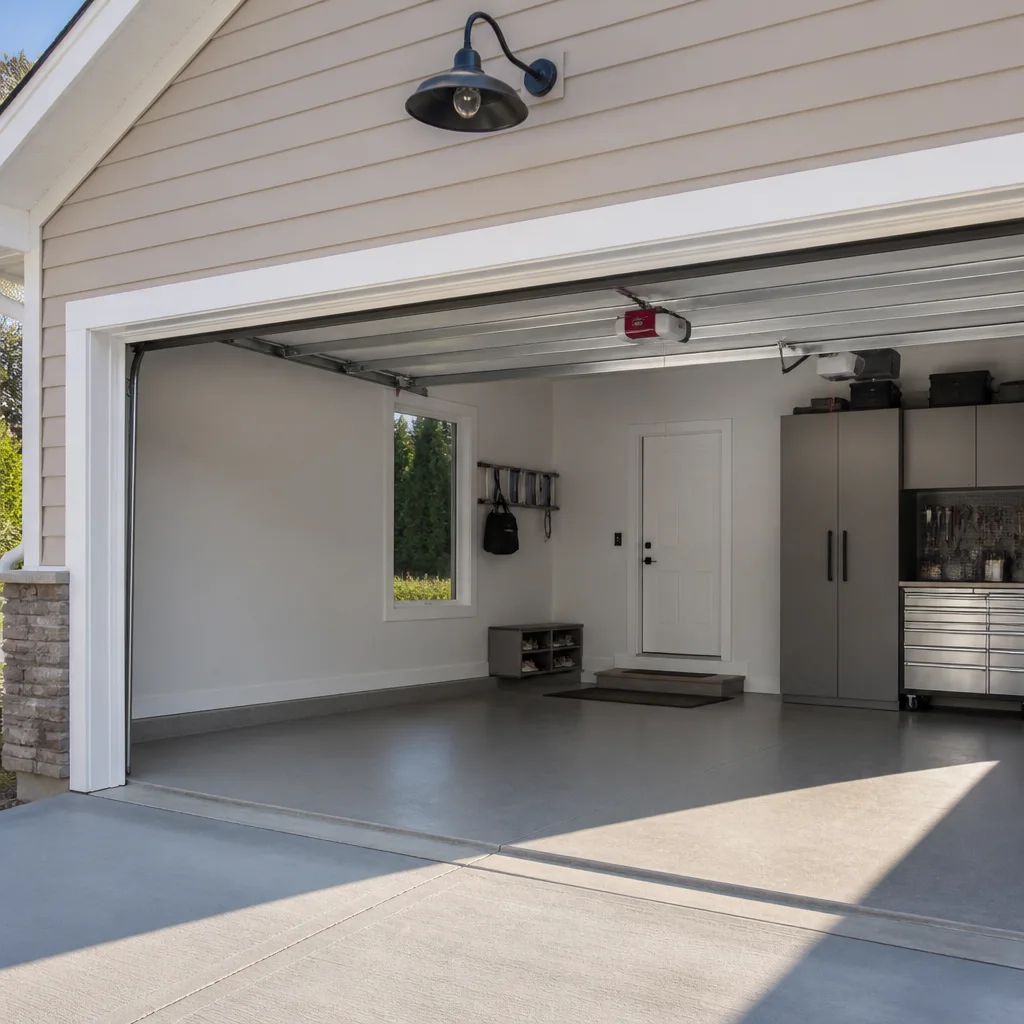 LiftMaster openers
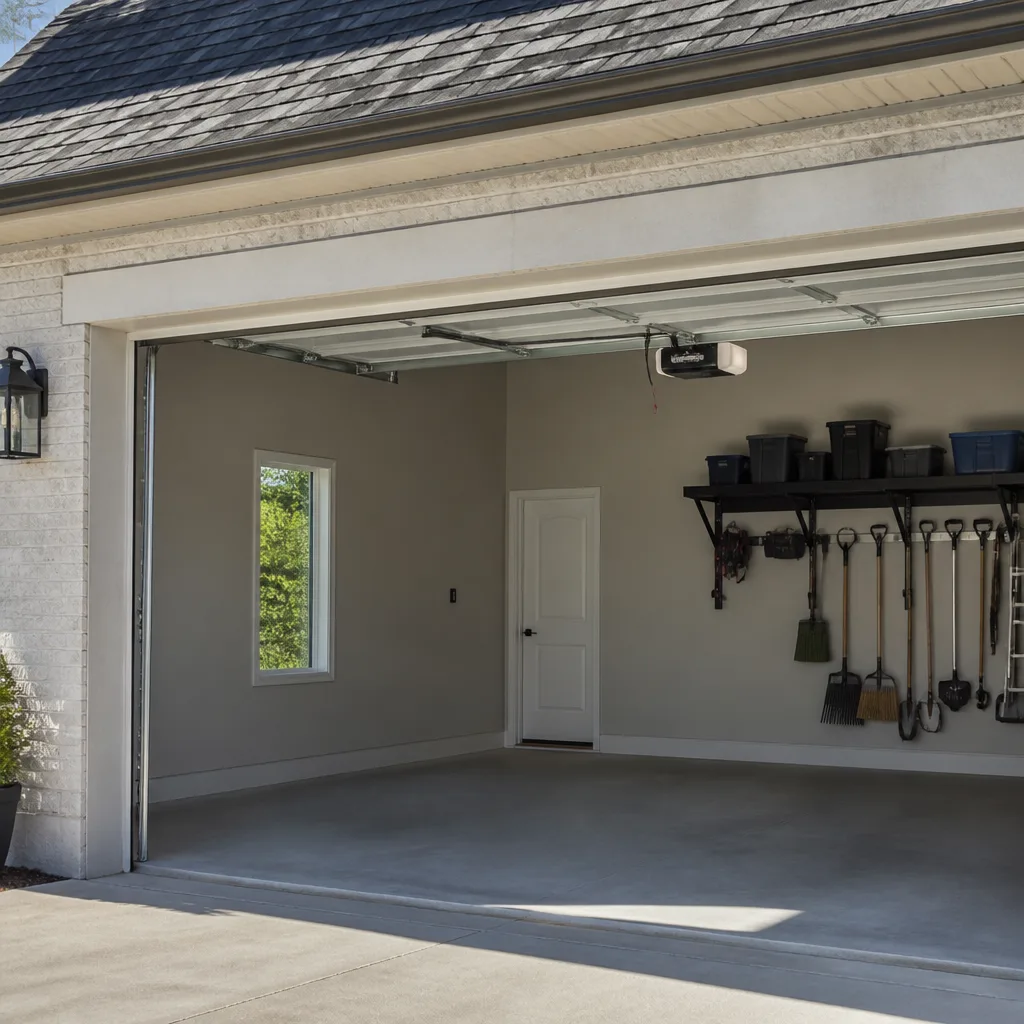 Chamberlain openers
Full 25-point door and opener safety check with every visit - springs, cables, rollers, tracks, and your LiftMaster or Chamberlain opener included
You get a price before we start. It does not change when the pro arrives.
Get your free estimateHow to Hire a Garage Door Contractor in Sunset Park: A Step-by-Step Guide
Most bad garage door hires in Sunset Park don’t come from a van with no name on it. They come from a company that looks completely legitimate, answers the phone politely, and then explains that your door is a brand they don’t really carry, so replacement makes more sense than repair. If a contractor’s first question is “what brand is your door?” instead of “what’s the door doing?”, that’s a signal. They’re steering the call toward the product they install, not the problem you actually have. This guide walks you through screening for a true multi-brand, full-scope contractor before the technician is standing in your driveway. You’ll learn what documents to request in New York City, how to read a written estimate line by line, what to ask about parts sourcing, and which review patterns should make you slow down.
Quick Answer
Hire a garage door contractor in Sunset Park by verifying New York City licensing and insurance paperwork up front, asking directly whether they service multiple brands or only the doors they install, and insisting on a written estimate that lists parts and labor separately. The right contractor asks what your door is doing before asking what brand it is, quotes repair and replacement as real options, and puts the price in writing before any work starts.
Styles & brands we work with
- Raised-panel steel
- Carriage house
- Modern flush
- Full-view glass
- LiftMaster openers
- Chamberlain openers
Table of Contents
- Dealer-Affiliated Installer vs. Independent Multi-Brand Specialist
- What Licenses and Insurance Should You Verify in New York City?
- How Do You Read a Garage Door Estimate Line by Line?
- What Should You Ask About Parts Sourcing?
- The Screening Call: Questions to Ask Before You Book
- How to Read Reviews for Garage Door Work
- Repair or Replace? How a Full-Scope Contractor Helps You Decide
- What to Expect Once the Technician Arrives
Dealer-Affiliated Installer vs. Independent Multi-Brand Specialist
There are two very different businesses operating under the “garage door company” label, and the difference shows up the moment something breaks. A dealer-affiliated installer sells and installs one manufacturer’s product line. That’s a fine business model if you’re buying a new door. It becomes a problem when your existing door fails and the brand on it isn’t theirs. An independent multi-brand specialist repairs whatever is hanging in your garage, regardless of who installed it.
The practical fallout is simple. A dealer’s technician arrives, looks at a door from a competing line, and the honest repair turns into a replacement conversation. Sometimes replacement genuinely is the answer. But you want that conclusion reached because the door is worn out, not because the parts aren’t in the van.
A true full-scope contractor handles repair, opener work, and installation under one roof. That matters more than it sounds. In Sunset Park, the housing stock runs from early 20th-century row houses to mid-century apartment buildings, and the garage doors on those properties vary widely in age and manufacturer. A door that’s been on a brick garage since the 1980s and a newer smart opener in a renovated property need different parts, different calibration, and different diagnostic thinking.
When you’re weighing options, ask the contractor directly: “Do you service brands you didn’t install?” The answer tells you almost everything. A multi-brand specialist can say yes without hesitation because it services LiftMaster, Chamberlain, Genie, Clopay, Amarr, Wayne Dalton, Craftsman, and Raynor systems routinely. That’s not a sales pitch. It’s the operational difference between a company that can fix what you have and one that can only sell what it stocks.
What Licenses and Insurance Should You Verify in New York City?
New York City requires home improvement contractors to hold a Home Improvement Contractor license through the NYC Department of Consumer and Worker Protection, and garage door work falls under home improvement contracting. Before you book anyone, ask for proof. Legitimate contractors expect this question and answer it without friction.
Here’s what to actually request, and what each document tells you:
- Home Improvement Contractor license number. Look it up yourself in the city’s online license database. Don’t take a number read over the phone at face value.
- Certificate of general liability insurance. Ask for a current certificate and check the expiration date. This covers property damage if something goes wrong on your garage.
- Workers’ compensation coverage. If the contractor brings helpers, this matters. Without it, an injury on your property can become your problem.
- A written contract. New York City home improvement rules require a written contract for larger jobs. Even for a repair, a written scope and price protects you.
One caution: garage door work involves high-tension springs and cables, plus electrical connections for openers. Those are genuinely dangerous components. A contractor who is vague about licensing, or who shrugs off the paperwork as a formality, is telling you something about how they handle the rest of the job too. If you want to understand the danger before you start calling, read our page on garage door repair; it explains why spring work in particular should never be handled by a general handyman with a ladder and good intentions.
We can’t speak for other contractors, but here’s the standard we’d want you to hold anyone to, including us: the local pro should be licensed and insured as their state and city require, and they should be able to show it before you commit.
How Do You Read a Garage Door Estimate Line by Line?
A trustworthy estimate is itemized. A bundled quote with one number and no breakdown is where markups hide, and it’s the single most common thing homeowners regret not questioning. Ask for the estimate in writing, with each part and each task priced separately.
Here’s what a well-built estimate should show as separate lines:
| Line item | What it should tell you |
|---|---|
| Spring type and size | Torsion or extension, wire gauge, and whether it’s one spring or a matched pair |
| Opener model | Exact make and model number, not just “new opener” |
| Labor per task | Spring replacement priced separately from opener install or panel work |
| Hardware and cables | Drums, cables, rollers, hinges listed individually if being replaced |
| Disposal and haul-away | Stated or explicitly marked as included |
| Permit costs, if any | Called out rather than folded silently into labor |
On springs specifically, be careful with pricing that lumps things together. A spring quote is for one spring. Most doors use a matched pair, and pairs are usually replaced together, so a pair costs roughly twice the single-spring figure. If an estimate quotes one range for “spring replacement” without saying whether that’s one spring or two, ask. That’s where confusion turns into a surprise on the invoice.
Then there’s the question every homeowner asks second: will the price change once you see it? A written estimate should set the price. If the technician finds something genuinely different from what was described on the phone, that should be explained and agreed before any extra work starts. The written estimate sets the final price, and anything beyond it needs your yes first. For a closer look at how opener work is quoted, our garage door opener repair page walks through it.
What Should You Ask About Parts Sourcing?
OEM means original equipment manufacturer: the part is made by the company that made your door or opener. Aftermarket means a third-party part built to fit. Both are legal and sold widely. The difference matters when something fails, because warranty coverage often hinges on whether the part that broke was OEM.
Ask the contractor three things about parts:
- Is the replacement part OEM or aftermarket?
- Does the brand’s warranty cover it, or does using an aftermarket part void coverage on related components?
- Can they source OEM parts for your specific brand if you want them?
This is where brand coverage stops being marketing language and starts being practical. If your door is a Clopay and your opener is a Chamberlain, you’re dealing with two manufacturers whose parts and warranty terms are different. A contractor who works across both systems can source the right part and explain what each warranty allows. A contractor who installs only one brand may quietly substitute something else and not mention it.
Springs are the place to be pickiest. A cheap aftermarket spring can have a shorter cycle life than the OEM spec, which means it fails sooner and you’re back where you started. You don’t need to become a spring engineer to ask the question; you just need the answer in writing. Genie and LiftMaster systems have their own calibration requirements, and correct parts sourcing is part of doing the job properly rather than just making the door move again.
The Screening Call: Questions to Ask Before You Book
Five minutes on the phone filters out most of the wrong contractors. Work through these in order and listen for whether you get real answers or polished deflections.
- “What’s your New York City Home Improvement Contractor license number?” A real contractor gives it without hesitation and doesn’t mind you verifying it.
- “Do you service doors and openers you didn’t install?” This surfaces the dealer-versus-specialist issue immediately.
- “Can you fix it, or are you only quoting replacement?” A full-scope contractor offers repair as a real option and explains when replacement actually makes more sense.
- “Will you put the estimate in writing with parts and labor broken out?” If the answer is “we’ll figure it out on site,” keep calling.
- “Is the price agreed before work starts?” You want a yes, plainly stated.
Notice that none of these questions are about speed or price. Those come up naturally once you’ve confirmed the contractor can actually do the job. In our experience, the homeowners who get burned are the ones who led with “how much and how fast?” and skipped the screening entirely. Emergency work is a different conversation; when a door won’t close at night, you may not have time for five questions, which is why it helps to know which local contractor does garage door installation and repair across multiple brands before something breaks.
How to Read Reviews for Garage Door Work
Reviews are where a lot of hires go wrong, not because the reviews are fake, but because homeowners read the wrong things. Vague praise tells you almost nothing. “Great service, highly recommend!” could describe a restaurant. What you want are reviews that name specifics.
Look for reviews that mention:
- The specific part that was replaced (torsion spring, cable, roller, opener motor)
- The brand involved, which tells you the reviewer’s door was actually serviced, not just sold
- Whether the quoted price held or changed after the technician arrived
- How the contractor handled a repair-versus-replace conversation
Be skeptical of the opposite pattern: a wall of reviews all saying “fast and affordable” with no detail. That phrasing shows up on almost every low-differentiation contractor’s page, and it tells you nothing about whether they diagnosed your problem correctly. Also watch for reviews that describe the customer being pushed toward a full replacement when they thought they had a repair on their hands. That’s the exact pattern this guide is built to help you avoid.
Sunset Park is a tight neighborhood. Word travels between neighbors on the same block, especially when a garage door is stuck open on a busy street. A contractor with a real local footprint gets named by neighbors, not just praised in generic terms online.
Repair or Replace? How a Full-Scope Contractor Helps You Decide
This is the decision most homeowners want help with, and it’s the one a single-brand contractor is least equipped to give you honestly. A multi-brand specialist has no product line to protect, so the recommendation comes from the door itself: its age, the condition of the springs and cables, panel integrity, and whether the opener is worth repairing.
As a general guide, repair tends to make sense when:
- The door structure and panels are sound and the failure is a worn component
- The opener is the problem, not the door
- The door is a brand still supported with OEM parts
Replacement tends to come up when panels are bent, the door is badly out of balance, or the cost of accumulated repairs approaches the cost of a new door. What you’re looking for in a contractor is the willingness to walk you through that thinking out loud instead of jumping straight to a product quote.
In Sunset Park, the housing mix shapes this conversation. A garage on an older row house may have a door older than the current homeowner, while newer construction nearby may have a smart opener with a door that’s already fine. Same neighborhood, completely different answers. A contractor who works across LiftMaster, Chamberlain, Genie, Clopay, Amarr, Wayne Dalton, Craftsman, and Raynor can match the recommendation to the actual equipment.
What to Expect Once the Technician Arrives
The hire isn’t done when you book. It’s done when the technician shows up and demonstrates the same clarity you heard on the phone. Here’s what a solid visit looks like.
First, the technician should diagnose before quoting. They look at the door in motion, check balance, inspect springs and cables, and test the opener separately. The brand question comes up in the context of sourcing parts, not as a sales opening.
Second, they confirm the price before starting. This is the moment you should hear something clear: the written estimate sets the price, and anything outside it gets your approval first. If the number on arrival is different from the number in writing, ask why before anyone touches the door.
Third, on anything involving high-tension springs, cables, or opener wiring, expect a professional framing of the safety risk, not an invitation to watch and learn. Springs and cables are under extreme tension and can cause serious injury. A responsible contractor keeps that work to trained technicians and keeps you clear of the moving parts. That’s the standard for spring repair done right, and it’s the same reason general handymen often decline the job.
Finally, they walk you through what was done and what to watch for next. That closing conversation is where you find out whether you hired a technician who fixes one thing or a contractor you’ll call again.
Common Mistakes to Avoid
- Hiring on price alone. The lowest quote often comes from a contractor bundling parts and labor so nothing can be compared. Ask for line items before you compare numbers at all.
- Booking before checking the license. New York City requires a Home Improvement Contractor license for this work. Verify it yourself instead of trusting a number on a website.
- Not asking about brand coverage. A contractor who only installs one line will nudge you toward replacement when your existing door just needs repair. Ask directly whether they service doors they didn’t install.
- Accepting a bundled quote. One number with no breakdown hides markups. You want spring type, opener model, and labor listed separately.
- Ignoring the OEM question. Aftermarket springs can affect warranty coverage. Ask what’s being installed and whether the manufacturer’s warranty still applies.
- Reading reviews for praise instead of detail. Look for reviews naming the part and problem, not just “great service.” Generic praise is a signal you’re not hearing anything specific.
- Letting the price drift on arrival. Confirm before work starts that the written estimate sets the price. Anything beyond it needs your approval first.
See the difference
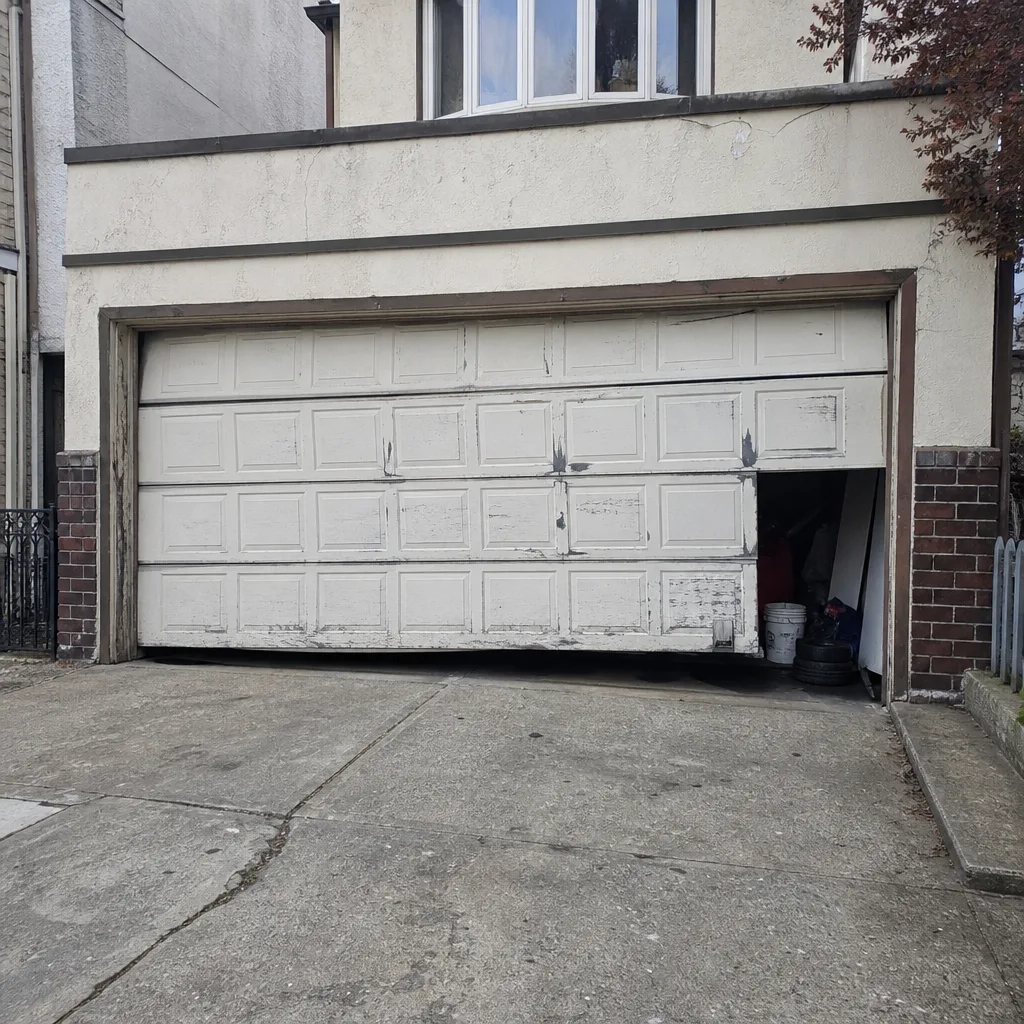 Before
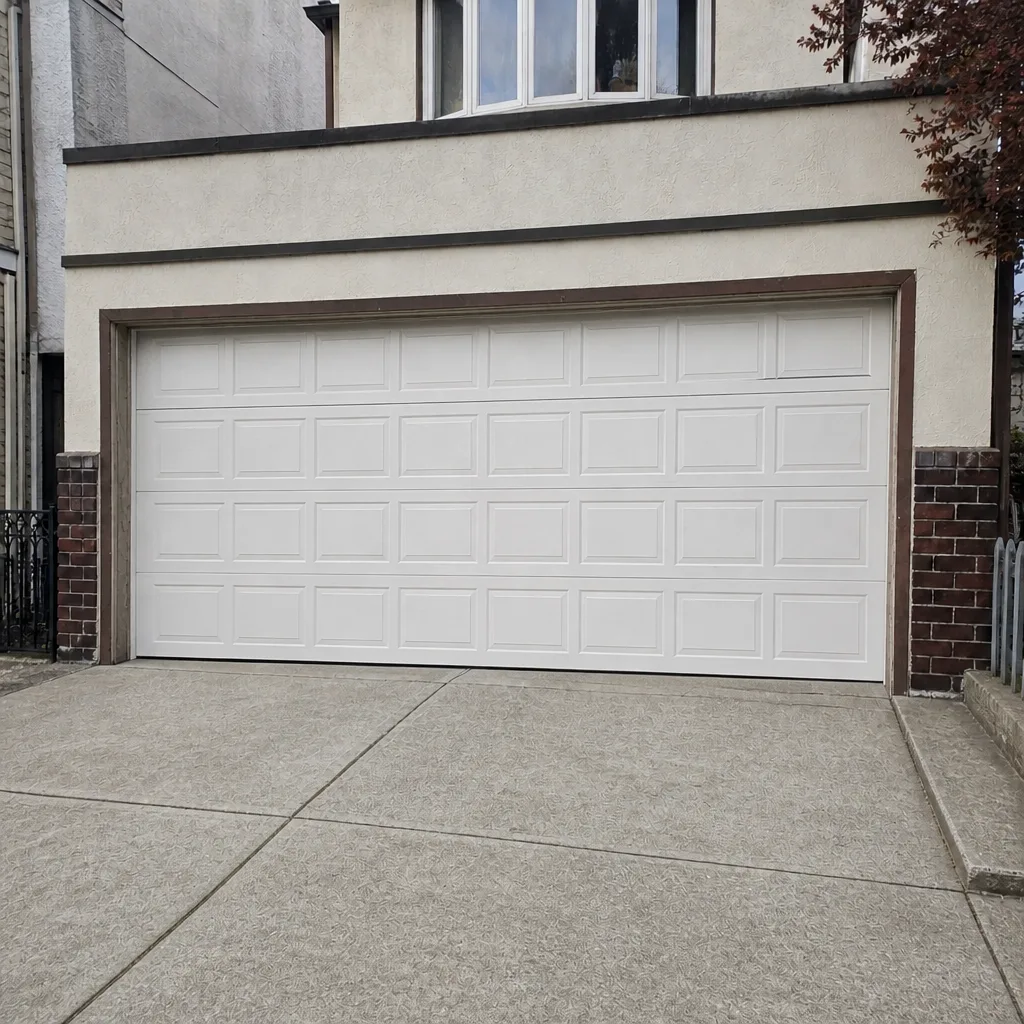 After
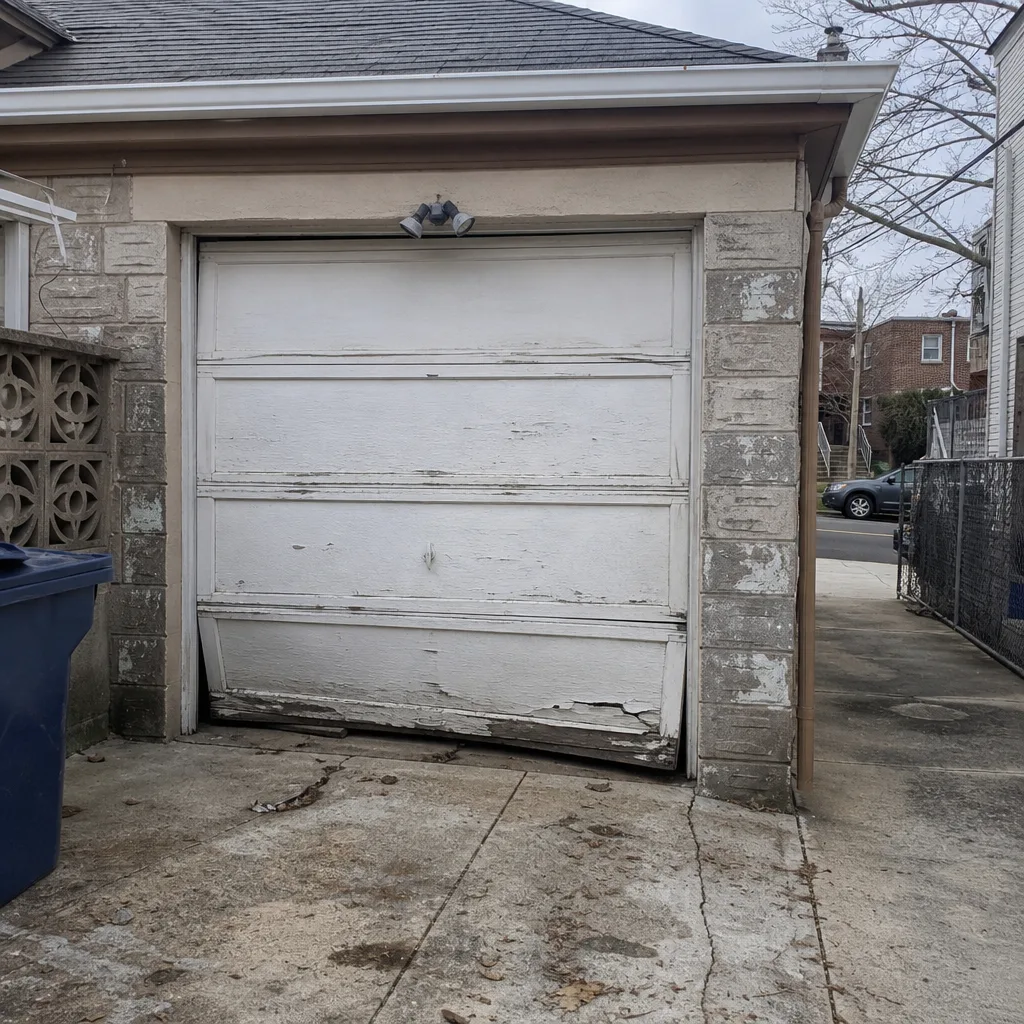 Before
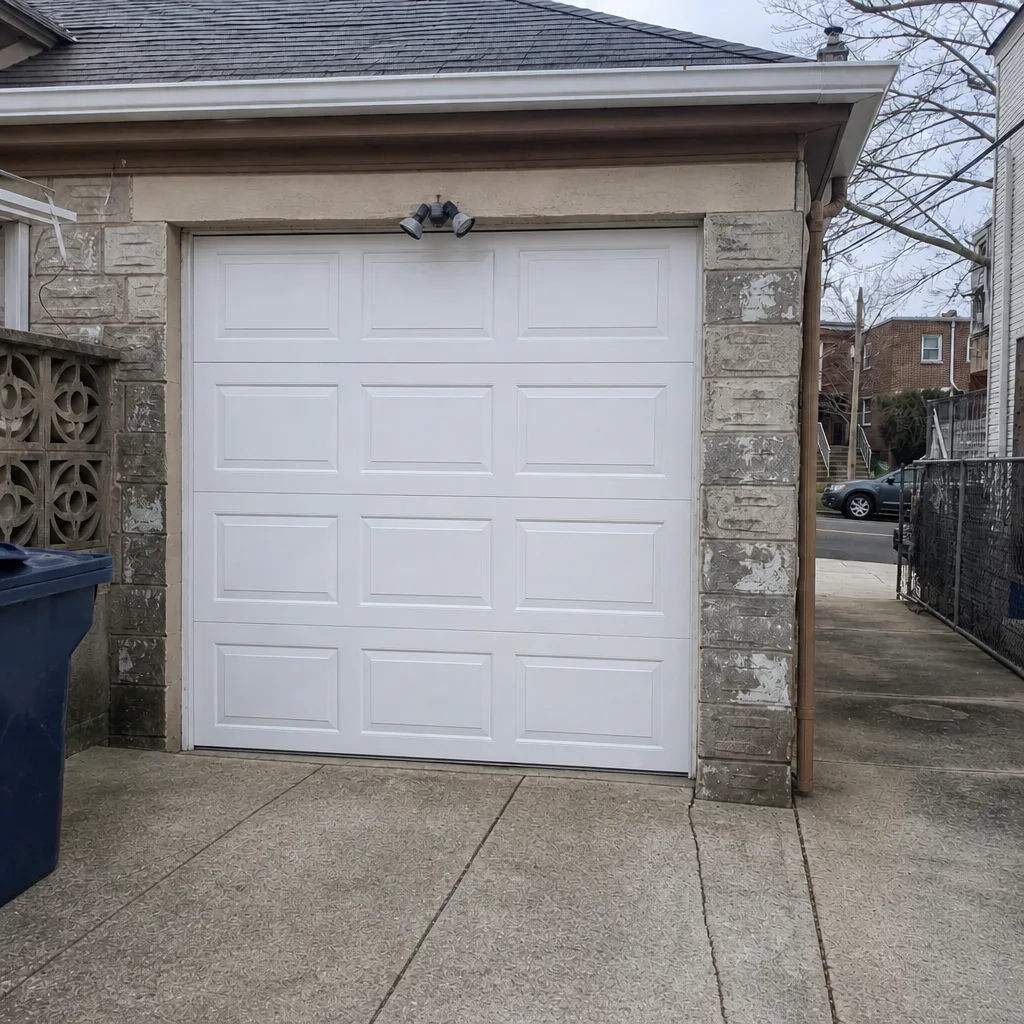 After
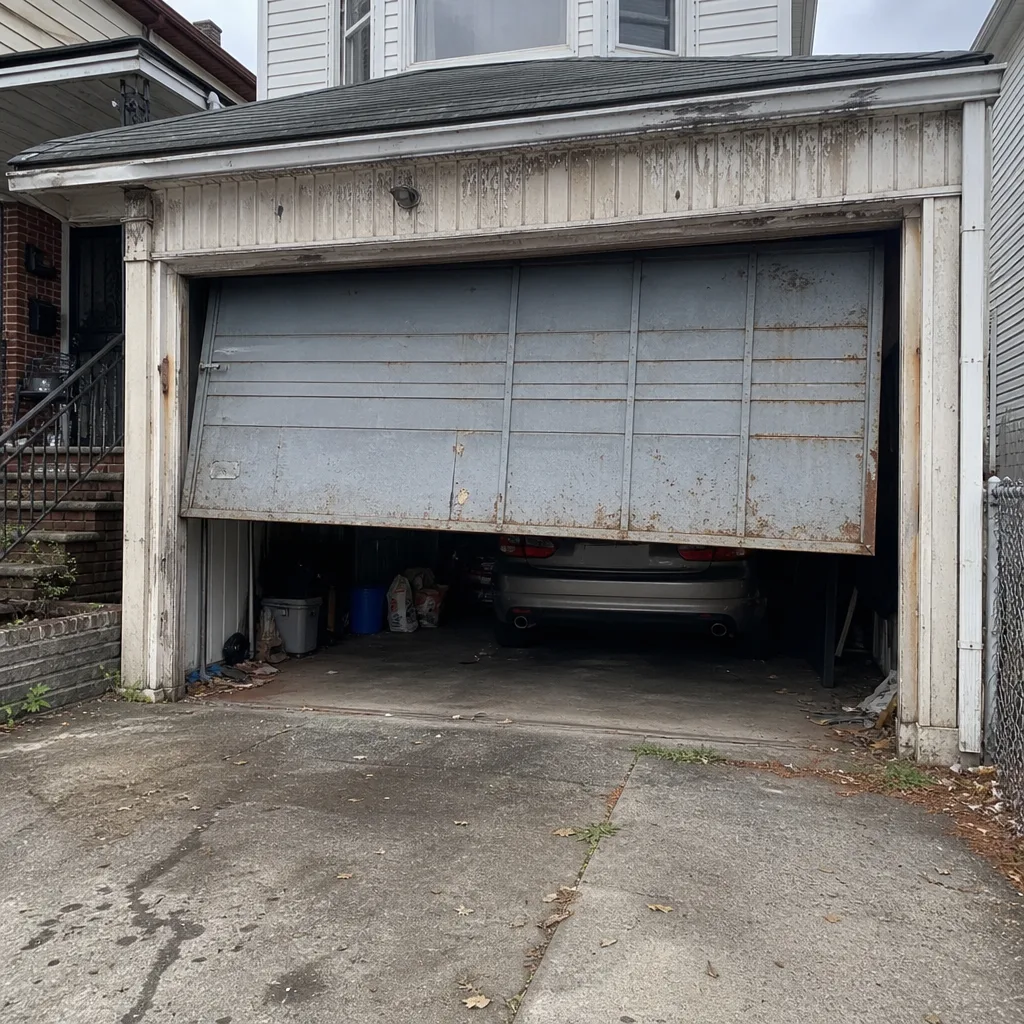 Before
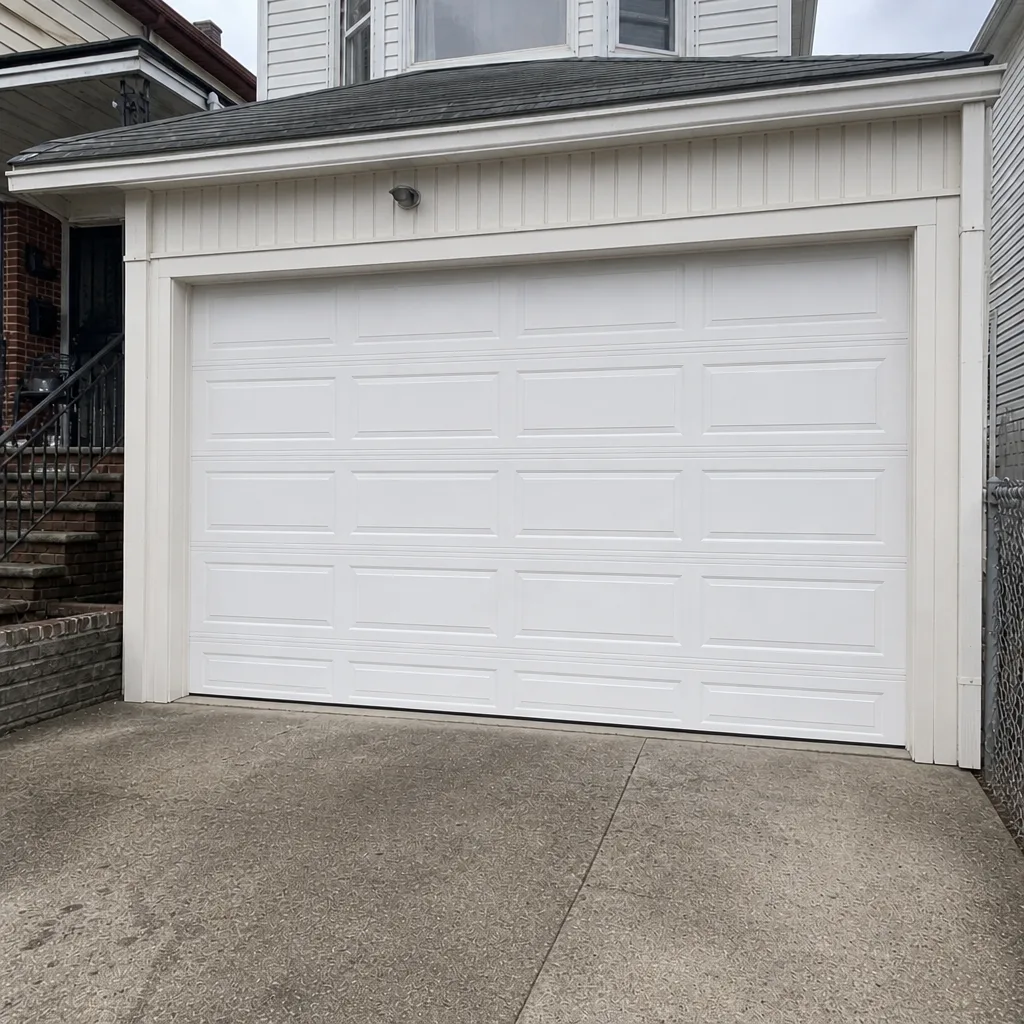 After
When to Call a Professional
Some garage door problems are inconvenient. Others are a genuine safety or security matter, and they shouldn’t wait. Call a professional if a spring has snapped (you’ll usually hear it), if the door is hanging unevenly or off its track, if a cable is frayed or loose, or if the door won’t close and is leaving your home exposed. The same goes for an opener that reverses at random or stops responding entirely, since a door that cycles unpredictably is a hazard to anyone underneath it. Never try to adjust springs or cables yourself; the tension involved can cause serious injury, and this is exactly the work a trained technician is equipped for.
If you’re in Sunset Park and aren’t sure whether your situation is urgent, call and describe what the door is doing. Garage Door Repair Sunset Park offers free estimates in Sunset Park – call (855) 709-6141, and we can talk through whether it’s a repair, an opener issue, or something that needs same-day attention. Emergency service is a core part of what we do, not an upsell, and we work on your brand whatever it is.
Frequently Asked Questions
Spring pricing depends on whether you have one spring or a matched pair, and on the spring’s size and type. A quote is for one spring, so a pair generally costs about twice a single-spring figure. Ask for the spring type and labor on separate lines so you can see exactly what you’re paying for. Call (855) 709-6141 for an exact quote – estimates are free.
Same-day and emergency service are available for urgent situations like a door stuck open or a spring that’s failed, and we’ll tell you honestly what’s possible when you call. A door that won’t close leaves your home exposed, so it’s worth calling rather than waiting. Reach us at (855) 709-6141.
The written estimate sets the price. If the technician finds something materially different from what was described on the phone, that gets explained and agreed before any extra work starts. You should never see a number on arrival that wasn’t in the estimate. Call (855) 709-6141 for a free estimate.
The local pro is licensed and insured as their state and city require, and you should ask to see proof before booking anyone, including us. In New York City that means a Home Improvement Contractor license and current liability and workers’ comp coverage. Call (855) 709-6141 and we’ll go through the paperwork with you.
Yes. We service LiftMaster, Chamberlain, Genie, Clopay, Amarr, Wayne Dalton, Craftsman, and Raynor systems regardless of who installed them, which means the recommendation comes from your door rather than from the product we sell. That’s the difference between a dealer and a multi-brand specialist.
We serve homeowners across Sunset Park and the surrounding Brooklyn neighborhoods, and you should confirm coverage with any contractor before booking. The neighborhood’s mix of row houses and apartment buildings means garage setups vary a lot, from older Craftsman openers to newer smart systems. Call (855) 709-6141 to confirm we cover your address.
The Bottom Line
Hiring a garage door contractor in Sunset Park comes down to a few checks that take minutes. Verify the New York City license and insurance yourself. Ask whether they service brands they didn’t install, because that question separates a multi-brand specialist from a dealer steering you toward replacement. Insist on a written estimate with parts and labor itemized, and ask whether the parts are OEM. Read reviews for specific parts and problems, not vague praise. Do those things before the technician arrives and you’ll avoid the most common regret in this trade: paying for a replacement when a repair would have done the job.
If your door is stuck, broken, or just not behaving the way it should, call Garage Door Repair Sunset Park at (855) 709-6141 for a free estimate. We work on repair, opener repair, and installation across all the major brands, and we’ll tell you straight what the door needs. Our technicians have up to 8 years of experience.
Written by the team at Garage Door Repair Sunset Park.