Last updated November 21, 2026
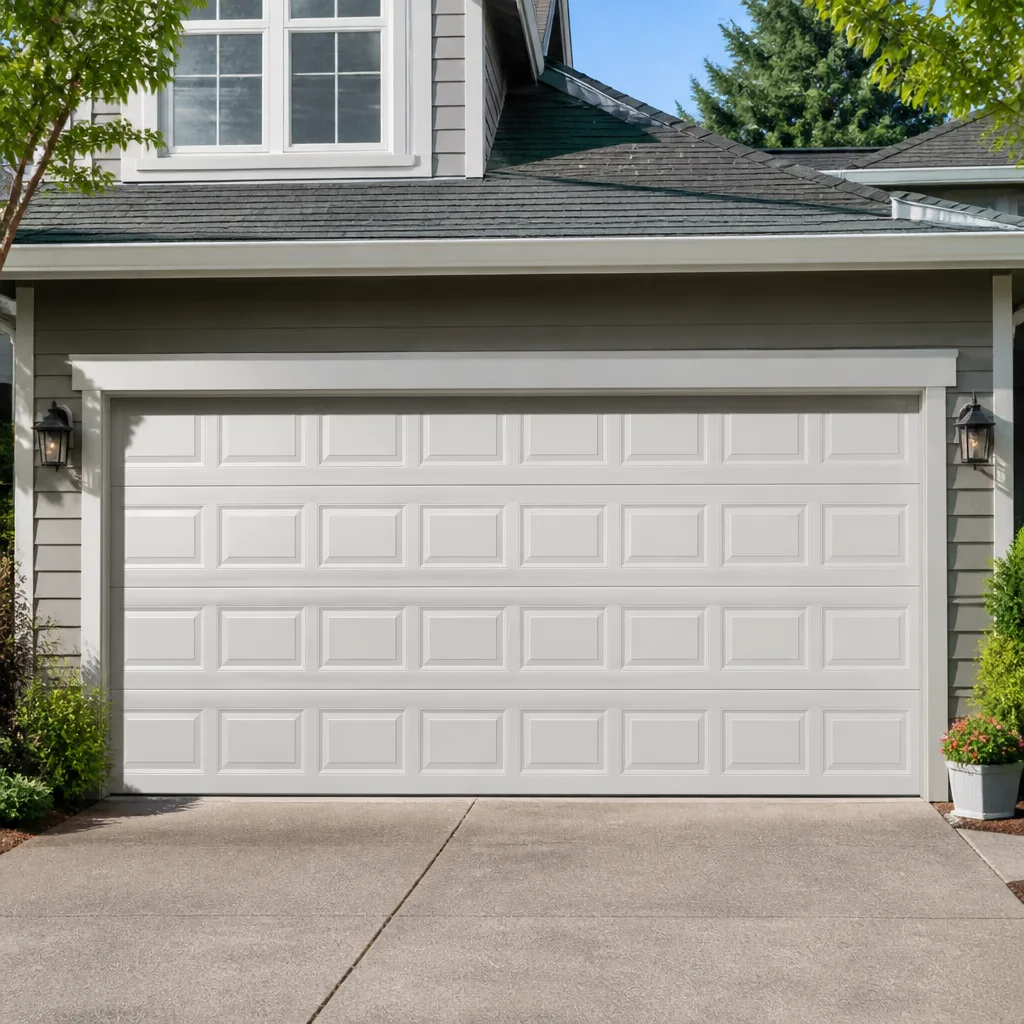 Raised-panel steel
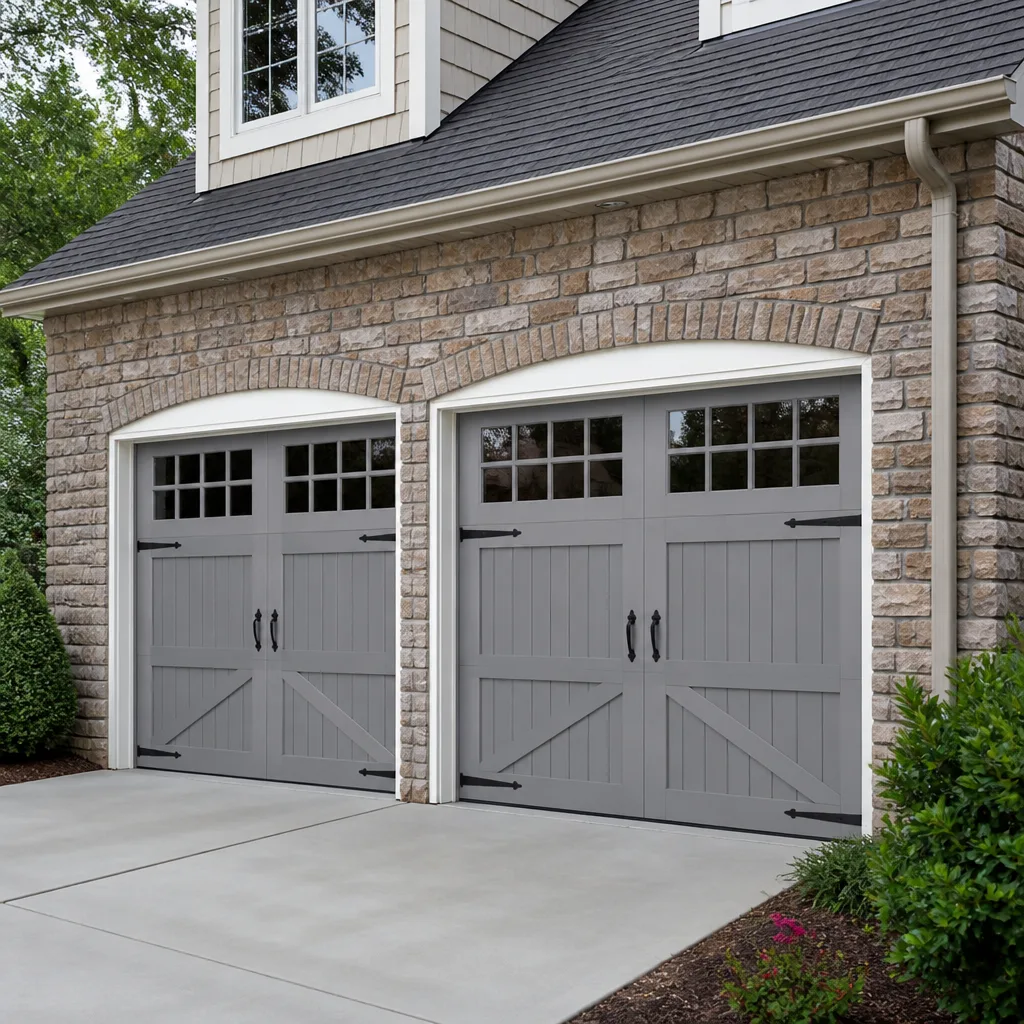 Carriage house
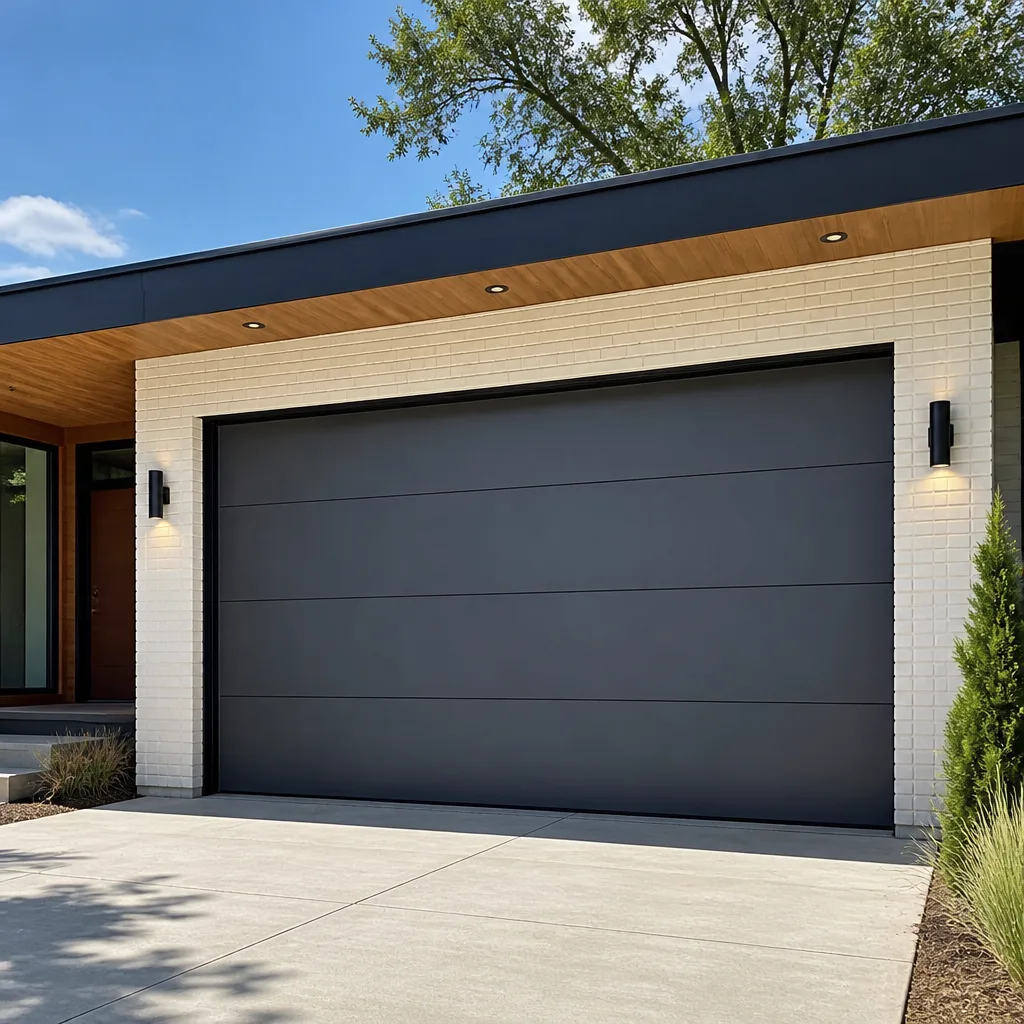 Modern flush
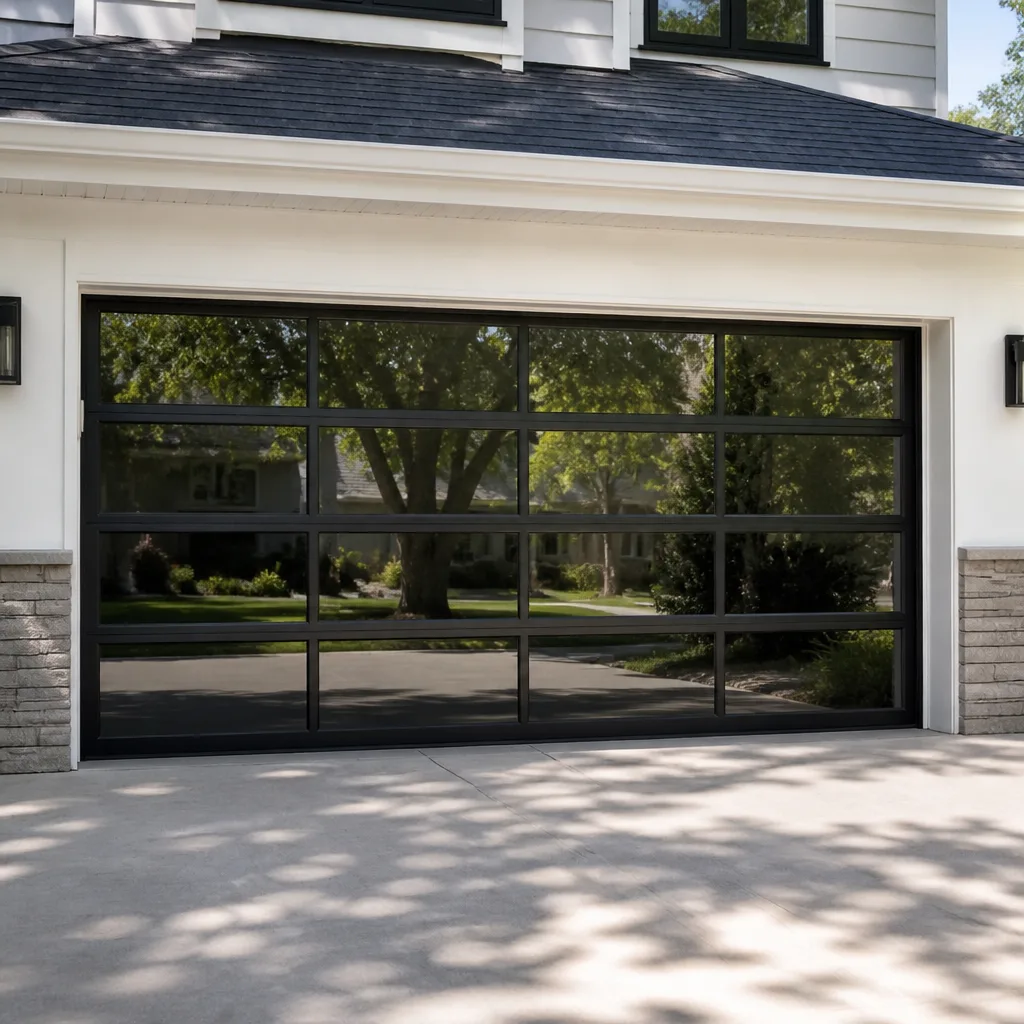 Full-view glass
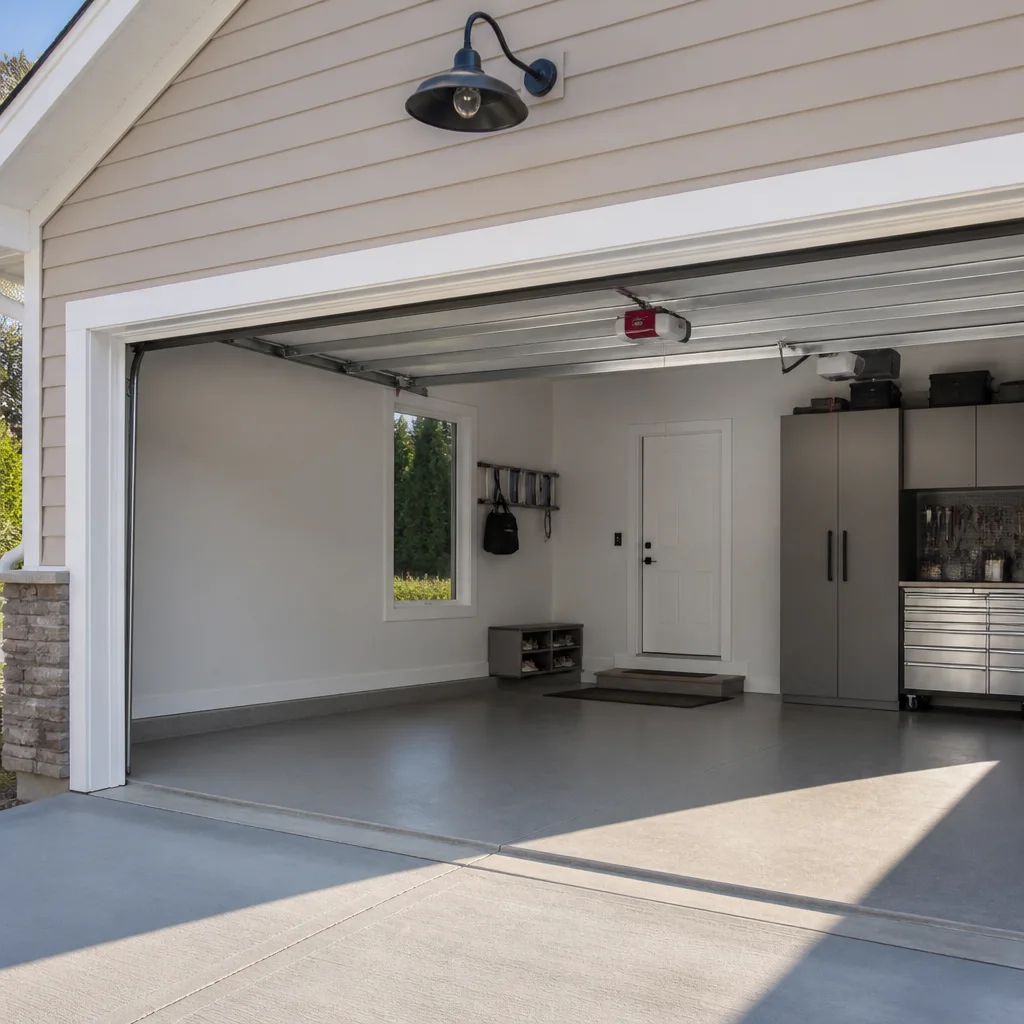 LiftMaster openers
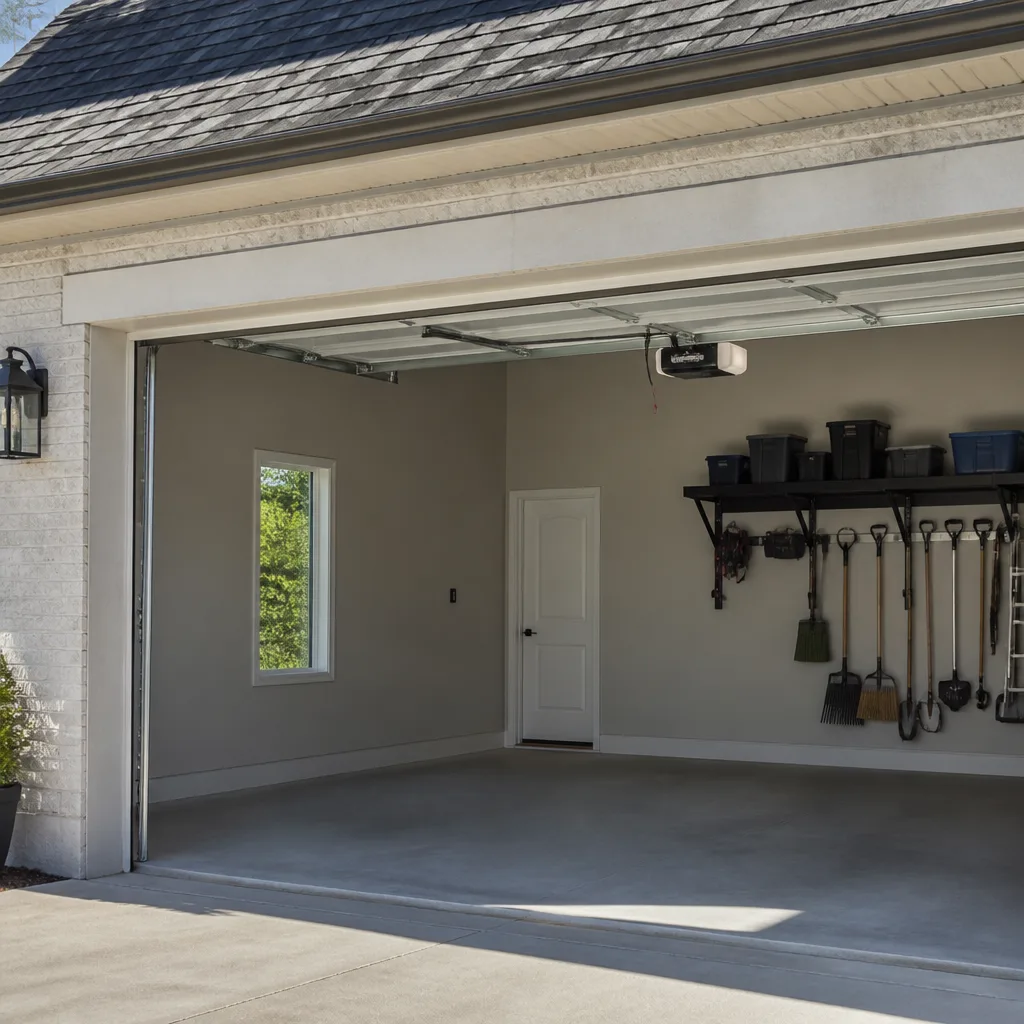 Chamberlain openers
Full 25-point door and opener safety check with every visit - springs, cables, rollers, tracks, and your LiftMaster or Chamberlain opener included
You get a price before we start. It does not change when the pro arrives.
Get your free estimateGarage Door Warning Signs: A Sunset Park Homeowner’s Reference Guide
Most garage door warning signs get collapsed into two useless categories: “unusual noises” and “slow movement.” That vagueness costs homeowners real money. A grinding sound during the first few inches of opening is a roller binding in its track. A grinding sound at the top of travel is an opener drive gear stripping out. Same word, two entirely different repairs, and a phone diagnosis based on “it’s making a grinding noise” sends a lot of people toward the wrong part. This guide names the exact sound, the exact motion, and the component behind each one, so a Sunset Park homeowner can tell us what’s actually happening, skip the guesswork, and avoid paying for a repair the door never needed.
Quick Answer
The main warning signs of a failing garage door are a single loud bang followed by a door that won’t lift (broken torsion spring), grinding confined to the first few inches of travel (roller or track), grinding at the top of travel (opener gear), a door that drifts down a few feet when you let go halfway (balance failure), and a door that reverses on its own (sensor or limit switch). A snapped spring, a door hanging crooked on one cable, or any door that free-falls is a same-day safety call. Slow movement, light squeaks, and one rusty coil are usually monitor-and-schedule items.
Styles & brands we work with
- Raised-panel steel
- Carriage house
- Modern flush
- Full-view glass
- LiftMaster openers
- Chamberlain openers
Table of Contents
- Sound-to-Component Diagnostic Index
- Reading a Spring Before It Fails
- What Motion Tells You About Balance, Tracks, and Opener Torque
- Sunset Park Winter Warning Signs: Frost, Sensors, and Stiff Cables
- Visual and Electrical Signs Most Homeowners Miss
- Emergency vs. Monitor-and-Schedule: The Decision Grid
- How to Read the Label on Your Door
Sound-to-Component Diagnostic Index
Sound is the earliest signal a garage door gives you, and where the sound happens is as important as what it sounds like. Listen with the door moving and note the position: start of travel, middle, top, or bottom. That timing narrows the field faster than any other detail you can give a technician.
The five sounds that actually matter
- Grinding in the first 4 to 8 inches of opening. A roller has seized or is dragging against a bent or dirty track edge. The fix is usually a roller swap and track adjustment, not a new opener.
- Grinding at the top of travel, just as the door stops. The opener’s drive gear or sprocket is wearing. On chain-drive units this often shows up as a churning sound right before the door settles. On Craftsman and older Wayne Dalton openers, this is a common failure and the gear is a serviceable part.
- A single loud bang from above the door, then nothing. A torsion spring has snapped. The door will not lift safely by hand and the opener should stay off.
- A sharp metallic snap or pop during travel. A cable has jumped a drum or a strand has broken. Stop using the door; a loose cable is a whipping hazard.
- A rhythmic squeak that repeats once per door wheel. A dry or worn roller bearing. This is the one sound that is genuinely minor and worth a lubricant and inspection before it becomes a flat-spotted wheel.
Why a phone diagnosis goes wrong
When a homeowner calls and says “it’s grinding,” the honest answer is that we can’t know which of the two grinding problems it is until someone listens at the door. That’s why the first thing we ask is where in the travel the sound starts. It’s a 30-second question that saves a misdiagnosis. If a repair company quotes you a drive gear over the phone without asking that question, the quote is a guess.
If you’ve already pinned the sound down and want the repair handled, garage door repair covers rollers, tracks, cables, and the hardware that produces most of these noises.
Reading a Spring Before It Fails
Springs telegraph their failure in three visible ways: a gap in the coil, a rust pattern that concentrates where the spring flexes, and a stretched pitch between coils. Learning to see these turns a surprise into a scheduled job. This is the most dangerous component on a residential door – the spring stores enough force to cause serious injury – so use this section to know when to call, not to attempt a repair. Springs under tension are not a DIY part, and we say that plainly.
Torsion vs. extension springs
Torsion springs sit on a shaft above the door; extension springs run along the horizontal tracks. Sunset Park’s housing stock is a mix of older two- and three-family buildings with wood doors and newer construction with steel panels, and both types show up across the neighborhood. Torsion springs fail more predictably and give clearer warning; extension springs fail more suddenly and need a containment cable so they don’t travel if they let go.
What each sign tells you
- A visible gap between coils on a torsion spring. The spring has snapped or is about to. Stop operating the door today. This is the point where you call, not the point where you add it to a weekend list.
- Rust concentrated at the middle of the coil. Torsion springs flex most at their center. Heavy rust there means the wire is thinning where the load is highest. Days to weeks, depending on use.
- Stretched or uneven pitch between coils. A torsion spring that has lost tension often shows coils that look spread apart on one side. The door may still lift but the opener is working harder than it should.
- A gap or broken winding on an extension spring. Same conclusion: stop using the door. Extension springs fail without warning more often than torsion springs, which is exactly why containment cables matter.
- Paint flaking off a spring and no other obvious damage. Watch it. Fine. That is a monitor item, not a same-week emergency.
One thing worth knowing before the estimate conversation: a spring price is for one spring. Matched pairs wear at the same rate and are usually replaced together, so a pair costs roughly twice a single. When we quote a garage door spring job in Sunset Park, we tell you which springs we’re replacing and why, and we don’t pad the estimate with parts the door doesn’t need.
What Motion Tells You About Balance, Tracks, and Opener Torque
Motion is a diagnostic channel most homeowners ignore. The door’s speed, drift, and alignment at the edges tell you whether you have a mechanical balance problem, a track problem, or an opener calibration problem – and those have very different price tags.
The balance test you can run safely
Pull the opener’s emergency release to disconnect the door (usually a red handle hanging from the rail), then lift the door by hand about halfway and let go. A balanced door should stay roughly where you leave it. A door that drifts down is telling you the spring tension is wrong. A door that drifts up means the spring is over-wound. Both point to a spring adjustment, and both are a reason to call rather than adjust the spring yourself.
Movement signatures by cause
- Door moves fine by hand but the opener stalls or reverses partway. Balance problem or a worn opener. The motor is fighting the door.
- Door shudders or jumps as it rises. A track is out of alignment or a roller is cut. Look at the gap between the roller edge and the track; if the gap varies from one side of the door to the other, the track has shifted.
- Door moves on one side only. A broken cable or a snapped spring on one side. Stop using the door.
- Door reverses immediately. Usually a sensor or a limit switch. See the winter section – this is the most climate-sensitive sign.
- Door opens slightly crooked. Track out of plumb or one roller seized. If it’s been crooked for a while, the panels may be stressed and the repair gets bigger.
If the door moves but doesn’t respond to the remote, and the wall switch works fine, the problem is in the opener’s receiver, not the door. If a LiftMaster or Chamberlain unit refuses the remote but the wall switch responds, the connection between the two rarely needs a whole new opener. garage door opener repair covers the board, receiver, and drive gear side of these failures.
Sunset Park Winter Warning Signs: Frost, Sensors, and Stiff Cables
Brooklyn’s cold, humid winters produce a specific cluster of false alarms and real failures that homeowners in milder climates never see. The neighborhood’s building stock – row houses, two-family walk-ups, older garages tucked behind homes – sits in a pattern that captures moisture and holds it. Frost and condensation do more diagnostic damage in January than most people expect.
Frost-related sensor misalignment
The safety sensors at the bottom of the tracks are the most common winter call. A hairline of frost on the lens, or a small shift in bracket alignment from a frozen puddle pushing against the bottom of the frame, will make a door reverse on its way down. If you come out to a door that closes partway and pops back up on a cold morning, check the sensor lenses for frost before assuming the opener failed. A quick clear and a recheck of the sensor’s indicator lights will tell you in under a minute whether this is a frost issue or a genuine alignment problem.
Cold-stiff cables
Cold weather thickens the lubricant inside the cable and drum assembly. Doors that operate smoothly in October can feel sluggish and heavy in January. That’s normal to a point. What isn’t normal is a creaking or popping sound from the drum when the door first starts to move – that’s a dry or fraying cable, and cold weather makes a marginal cable more likely to break. Cables are not a part to service yourself; a snapped cable under tension is dangerous.
Condensation under the door and at the opener
Condensation that gathers under the door and around the opener chassis can work into switch contacts over repeated freeze cycles. If your opener has been reliable for years and then starts responding to the remote only some of the time in the cold, suspect moisture before you replace anything.
A realistic schedule
Do a simple walk-around of the door and hardware as the weather turns, and again after the first hard freeze. Look at the spring, the cables, the track edges, and the sensor lenses. Any sign from the sections above means book a service call; anything borderline gets noted and watched. A trained technician can identify the difference in a short visit. Our technicians have up to 8 years of experience with both older hardware and modern openers, which makes the winter check quicker than it sounds.
Visual and Electrical Signs Most Homeowners Miss
Some warning signs don’t make a sound. They’re visible at rest, or they show up as a change in how the door behaves when nobody’s standing there watching. These are the ones worth checking once a month or so.
Things to look at with the door down
- Panel dents or cracks near the bottom section. Impact damage from a car bumper or a wayward bike. Small dents are cosmetic; a cracked section weakens the door and should be replaced before it flexes the track.
- Broken or missing hinges. The hinges attach the sections to each other; a broken hinge can let a Section shift and put stress on the rollers.
- A roller sitting outside the track edge. Look along the vertical track at each wheel. If any roller is riding on the outer edge instead of in the channel, the door will fight itself and wear out faster.
- Loose bolts along the track and at the spring plate. Vibration loosens them over the years. Check that they’re snug (hand-tight, not cranked down).
- A door that doesn’t close flush with the floor. The bottom seal may be worn or the door may be out of adjustment. This matters in winter when cold air and moisture come straight under the door.
Electrical and control-side signs
- Wall switch works, remote doesn’t. Receiver or remote battery issue – not a door problem.
- Opener runs but the door doesn’t move. Broken torsion spring, or the door is locked. Check for a manual lock bar before calling.
- Door reverses partway down. Sensors, limit switch, or obstruction. Start with the sensors.
- Opener lights flash in a pattern. Modern LiftMaster and Chamberlain units flash codes for the specific fault. Note the pattern – it’s one of the most useful details you can give a technician on the phone.
- The opener is louder than it used to be. Worn drive gear or loose mounting bracket. Both are serviceable.
For a brand-specific check, remember that a Craftsman opener’s gear noise and a Raynor door’s track wear behave differently, and parts need to match the system. That’s the reason we work across eight major brands – the technician already knows which failure pattern to expect from the label.
Emergency vs. Monitor-and-Schedule: The Decision Grid
The single most useful skill in this guide is knowing which warning signs let you sleep and which ones mean you call today. Not everything is an emergency, and treating a squeaky roller like a crisis is another way to overspend.
Same-day safety call – stop using the door
- A loud bang and a door that won’t open: broken spring.
- A door hanging crooked on one side or one cable clearly slack: snapped cable.
- A door that free-falls when released: failed spring or cable.
- A door that reverses on its own repeatedly at night, or opens by itself: sensor or switch failure creating a security hole.
- A track visibly bent and the door scraping as it moves.
For these, don’t force the door. The safest option is often to leave it closed or open where it sits and call for emergency service. Garage Door Repair Sunset Park treats emergency service as a core offering, not an add-on, and can work alongside the general repair line to get it sorted.
Monitor and schedule – book within the next couple of weeks
- A single rusty or aging spring and no other symptom.
- A rhythmic squeak or dry roller.
- A door slightly slower than it used to be but still balanced.
- Loose hardware, dents, a worn bottom seal.
- A remote that sometimes misses but the wall switch always works.
When you call to book either kind of job, the phone call is more useful than you’d guess. If you can tell us the sound and where in the travel it happens, roughly how old the door is, and what’s on the brand label, our technicians have the correct parts on the right vehicle – which means one visit instead of two.
How to Read the Label on Your Door
Before you call, spend thirty seconds finding the door’s label and the opener’s label. The door’s label is usually on the inside of one panel or on the end stile; the opener’s label is on the motor housing or the end of the rail. Photograph both. It’s the fastest way to make sure the office and the technician are talking about the same system.
- Get the door brand and model. Clopay, Amarr, Wayne Dalton, and Raynor are the four that show up most in Sunset Park. Each has its own panel and hardware pattern, so parts need to match.
- Get the opener brand and model. LiftMaster and Chamberlain are today’s smart platforms; Craftsman and older Genie units are common on doors that have been in place a while. Each has its own failure pattern.
- Note the door’s height and width. On a residential door this is one measurement and a quick answer.
- Note any visible damage to the label. If the model number is worn, a photo of the panel pattern usually identifies the brand.
When the label reads LiftMaster or Chamberlain, the opener side is often fixable on the spot. When it reads an older Wayne Dalton door with a Craftsman opener, the same technician can work both sides without a second appointment. That’s the whole reason we carry knowledge across eight brands, and it’s part of the reason we can quote without guessing. If it’s time for a new door, the full scope runs through garage door installation, and the same conversation covers what your current opener can and can’t drive.
Common Mistakes to Avoid
- Diagnosing from the phone without a sound-and-position detail. “It’s grinding” is two different repairs. Tell the service line exactly where in the travel the sound begins, or the quote is fiction.
- Forcing a door with a snapped spring. The opener will grind its gear trying to lift a door that can’t move on its own. That turns a spring repair into a spring-and-opener repair. Cut the power and call.
- Accepting a spring quote without asking whether the pair is being replaced. Springs wear together. A quote that names one spring and leaves the other installed is a shop that hasn’t inspected the assembly.
- Spraying lubricant on the tracks. Rollers need lubrication; tracks need to stay clean and dry. Oil in the track attracts grit that flat-spots the rollers and produces the grinding noise you were trying to prevent.
- Trusting the “it’s just cold” explanation every winter. Cold weather makes a marginal cable worse, not better. If a door has been sluggish through more than one winter and never adjusted, the tension is wrong and the opener has been compensating.
- Ignoring a reversing door because the light flashed just once. A door that reverses on its own is a safety fault, and in cold weather it’s the most common one. Check the sensors, and if it isn’t frost, book the service call.
- Assuming the brand doesn’t matter. A Clopay panel doesn’t fit an Amarr door and a Chamberlain drive gear doesn’t fit a Genie opener. The label determines the parts, so bring it to the call.
See the difference
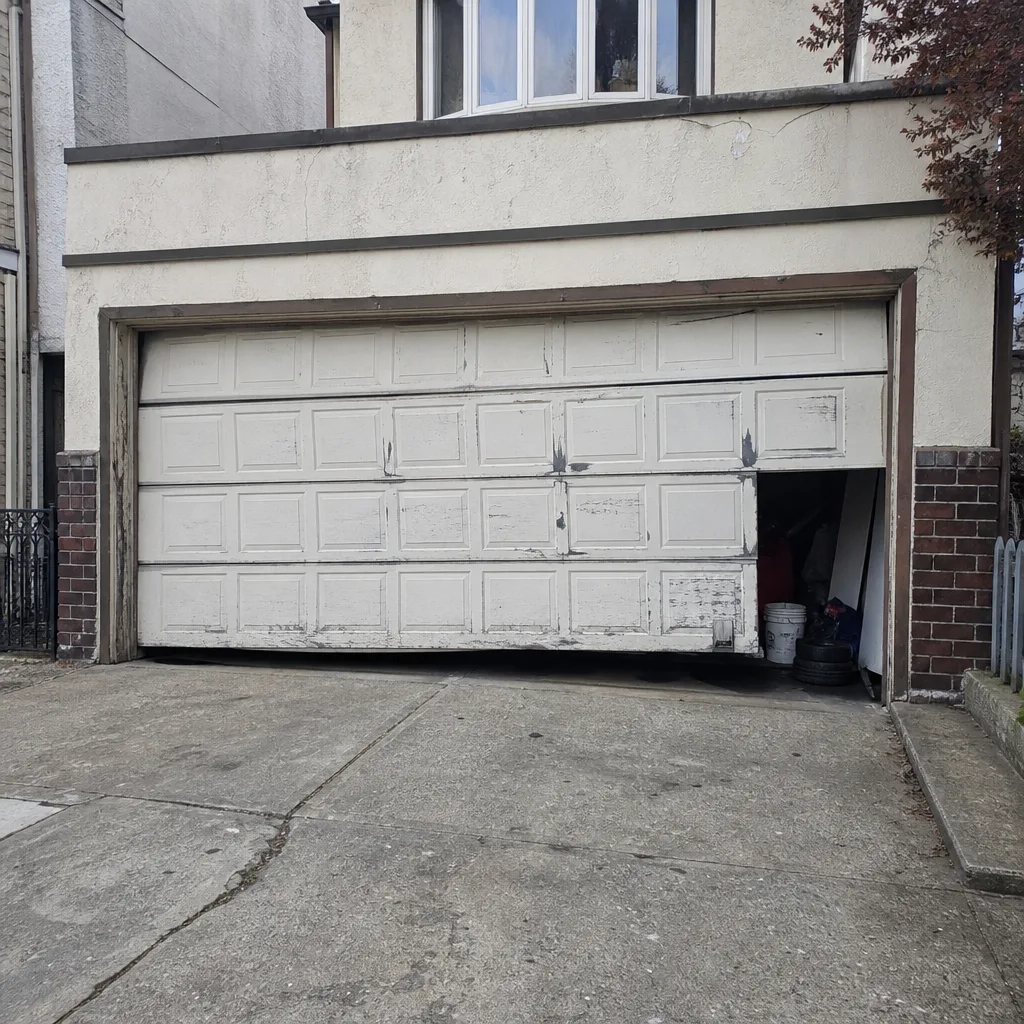 Before
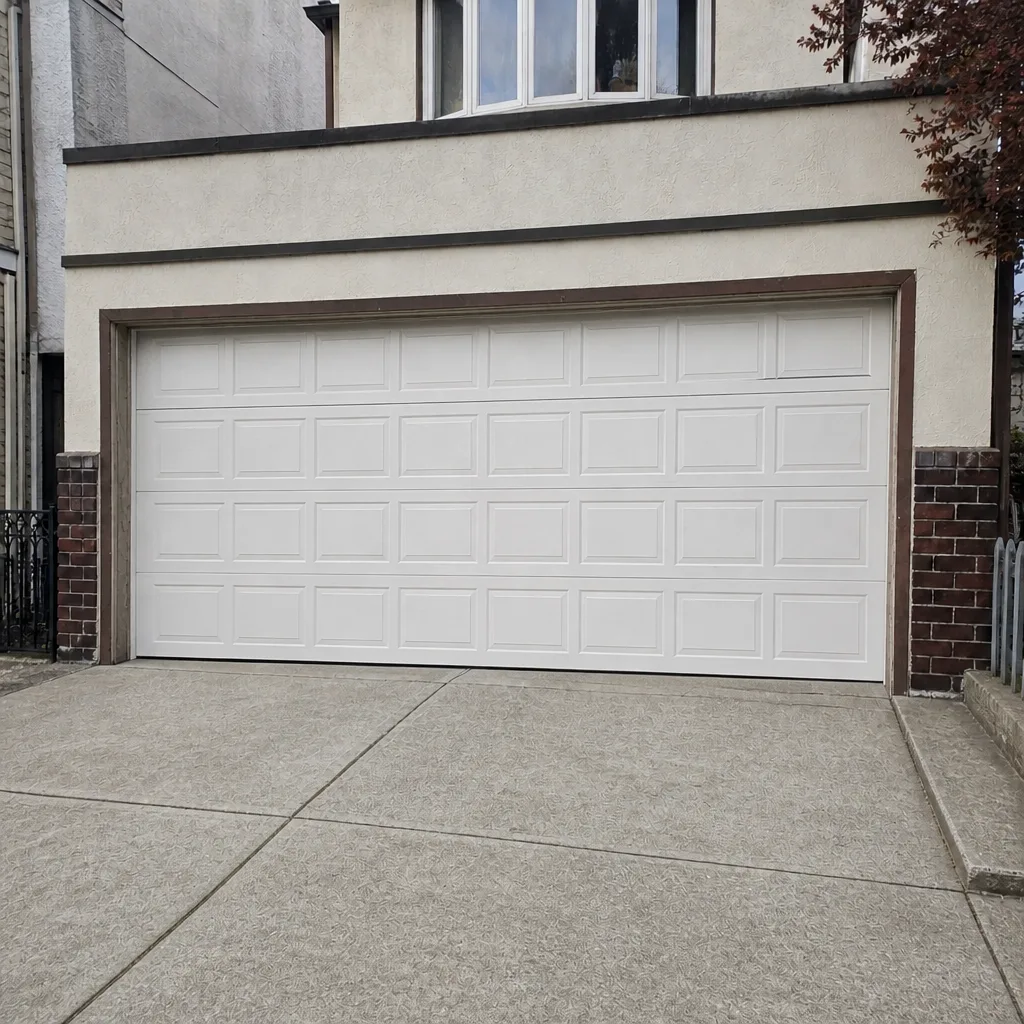 After
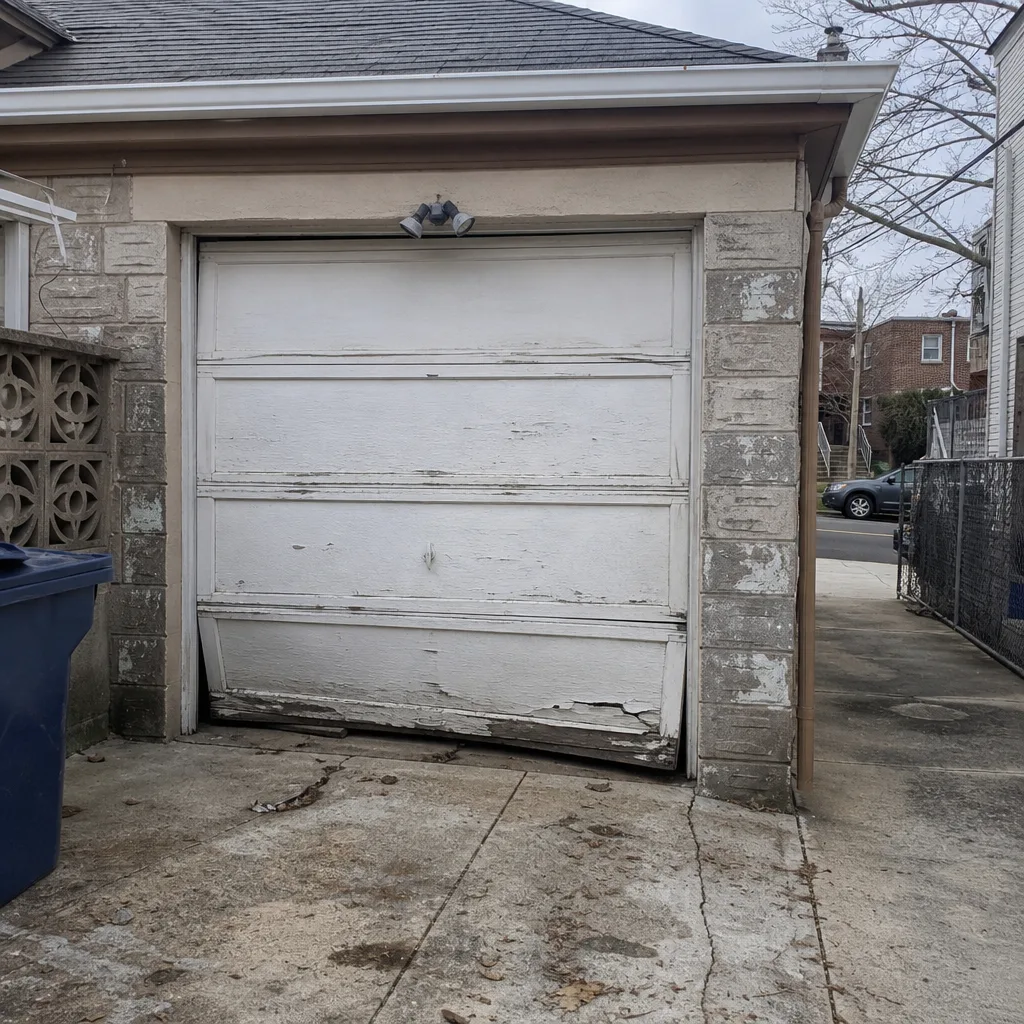 Before
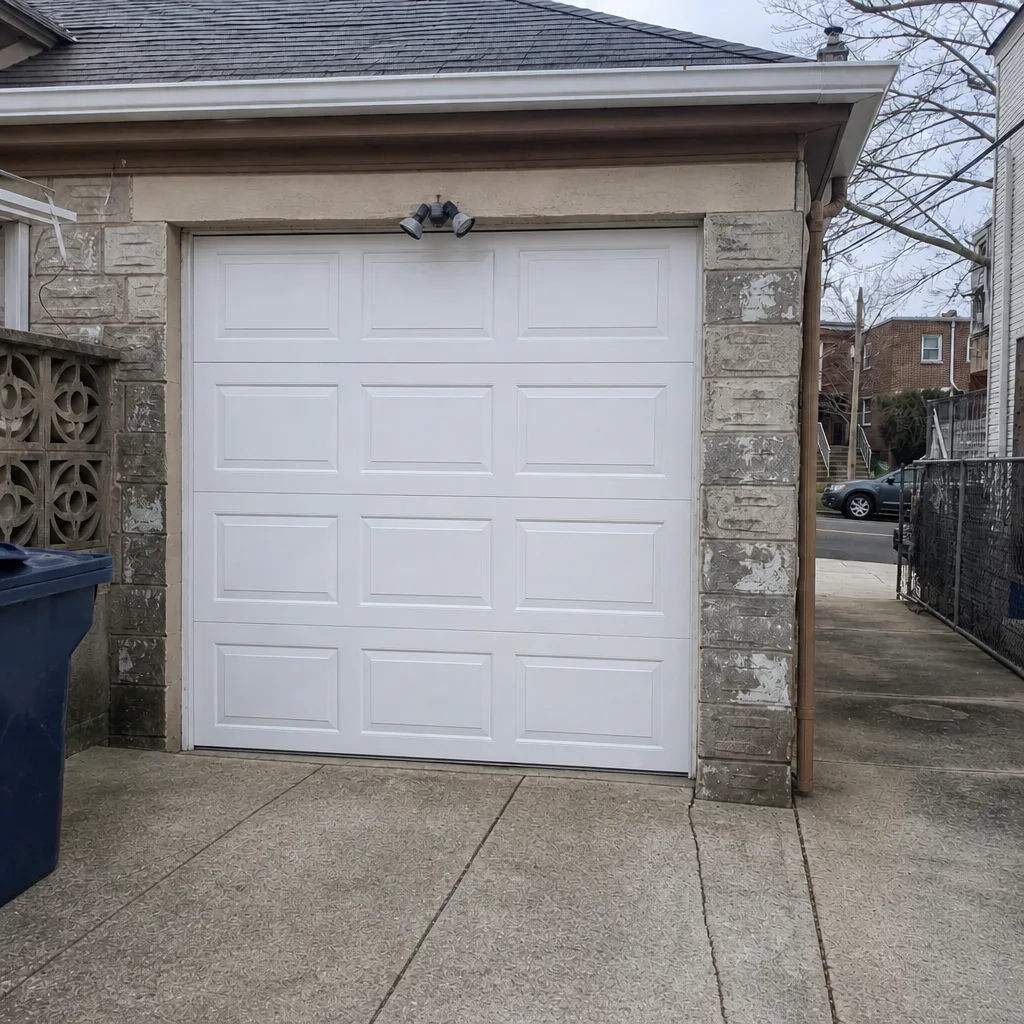 After
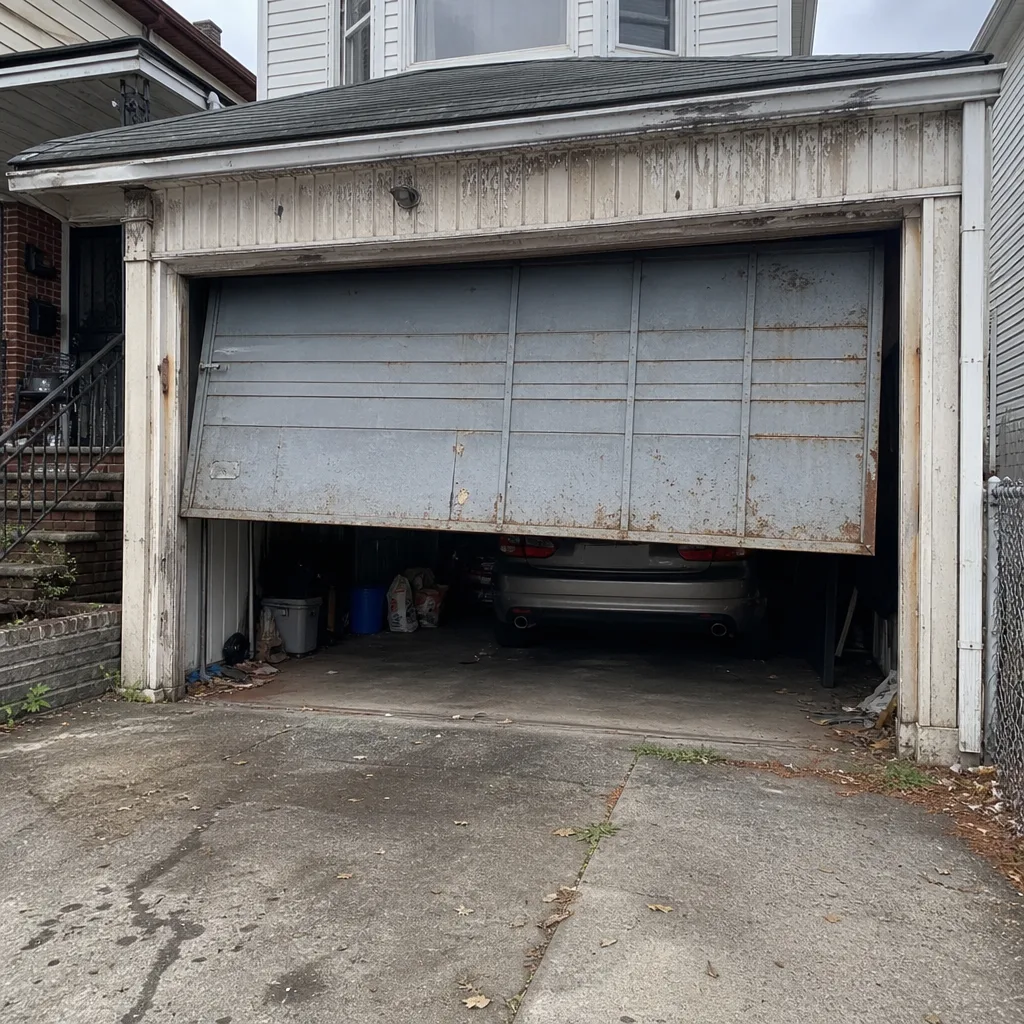 Before
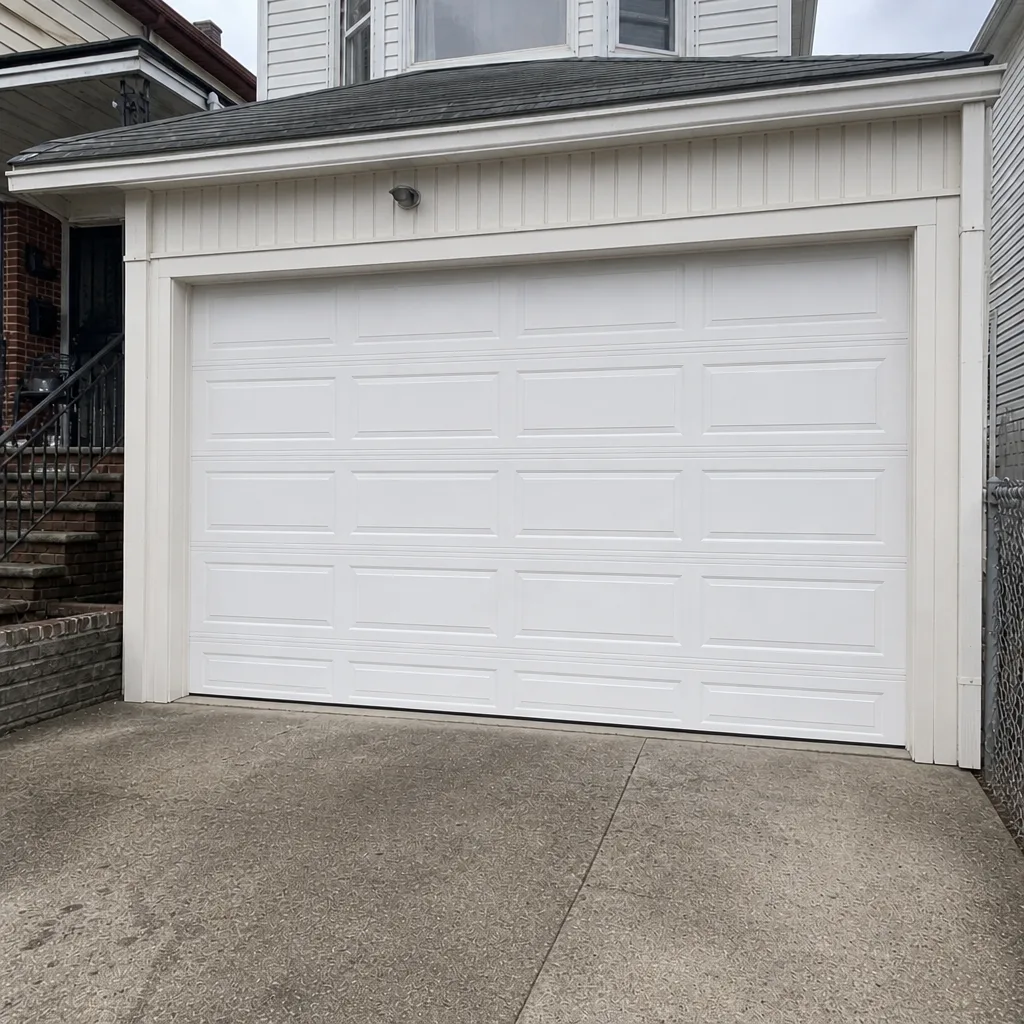 After
When to Call a Professional
Call when the warning sign involves a spring, a cable, or a door that has stopped moving predictably. Those are the three components where a homeowner’s attempt to fix the problem is more likely to cause injury than a repair – springs store enormous force, cables fail under tension, and a door that drops while someone is standing under it is the worst outcome on this page. Call sooner if the door’s condition is creating a security problem: a door stuck open overnight, a door that reverses on its own, a door that won’t close at all. Call later, at your convenience, for rollers, squeaks, dents, a worn seal, or a single aging spring that isn’t actively making noise. Garage Door Repair Sunset Park offers free estimates in Sunset Park – call (855) 709-6141. Estimates are free, the price is quoted and agreed before any work starts, and you’ll know exactly which part is being replaced and why.
Frequently Asked Questions
A single, sharp bang from above the door followed by a door that won’t lift is the classic sound of a snapped torsion spring. You’ll sometimes hear a metallic ring afterward as the coils spring apart. The door becomes unsafe to lift by hand and the opener should stay off.
That pattern points to a roller binding in the track during the first few inches of travel, not an opener failure. A seized roller or a bent track edge drags against the door as it moves out of the vertical track. Rolling the door up by hand – with the opener released – usually confirms it: the same drag is there without power. If it grinds at the top instead, suspect the opener’s drive gear.
A gap in the coil means it has already failed – that’s today, not weeks. A heavily rusted center with no gap or a visibly stretched pitch is a weeks-level warning, assuming normal daily use. If the door is still balanced when you test it by hand, you have a little time; if the door drifts down on its own, that’s a days item.
Cold-morning reversing is usually a frost or condensation issue on the safety sensor lenses, or a slight shift in bracket alignment after a hard freeze. Clear the lenses, check the sensor’s indicator lights, and see if the door closes; if it still reverses, the alignment or the opener limit switch needs a technician.
A slight sluggishness in freezing temperatures is normal as lubricants thicken. A creaking or popping sound from the cable or drum at first movement is not normal and points to a dry or fraying cable. Cold weather makes a marginal cable more likely to break, so treat that sound as a reason to call rather than wait.
It changes the failure patterns and the parts. LiftMaster and Chamberlain openers have flash-code diagnostics on newer units, so note the flash pattern; a Craftsman or older Wayne Dalton system often fails first on the gear or the roller side. Bring the label to the call and the diagnosis narrows quickly. Our technicians have up to 8 years of experience across all eight of the major brands we service.
The Bottom Line
Most garage door warning signs become obvious once you know where to look and where to listen. The sound at the start of travel is different from the sound at the top, the drift when you release the door halfway tells you about balance, and the gap in the spring coil is the difference between “call today” and “schedule this week.” If you remember one thing from this guide, make it that: a broken spring, a slack cable, or a door that free-falls is a same-day call, and everything else is a schedule-and-fix item. If the sign you’re seeing matches one of these, our team at Garage Door Repair Sunset Park can tell you what it means over the phone and what it costs to fix. Call (855) 709-6141 for a free estimate.
Written by the team at Garage Door Repair Sunset Park.